




.svg)
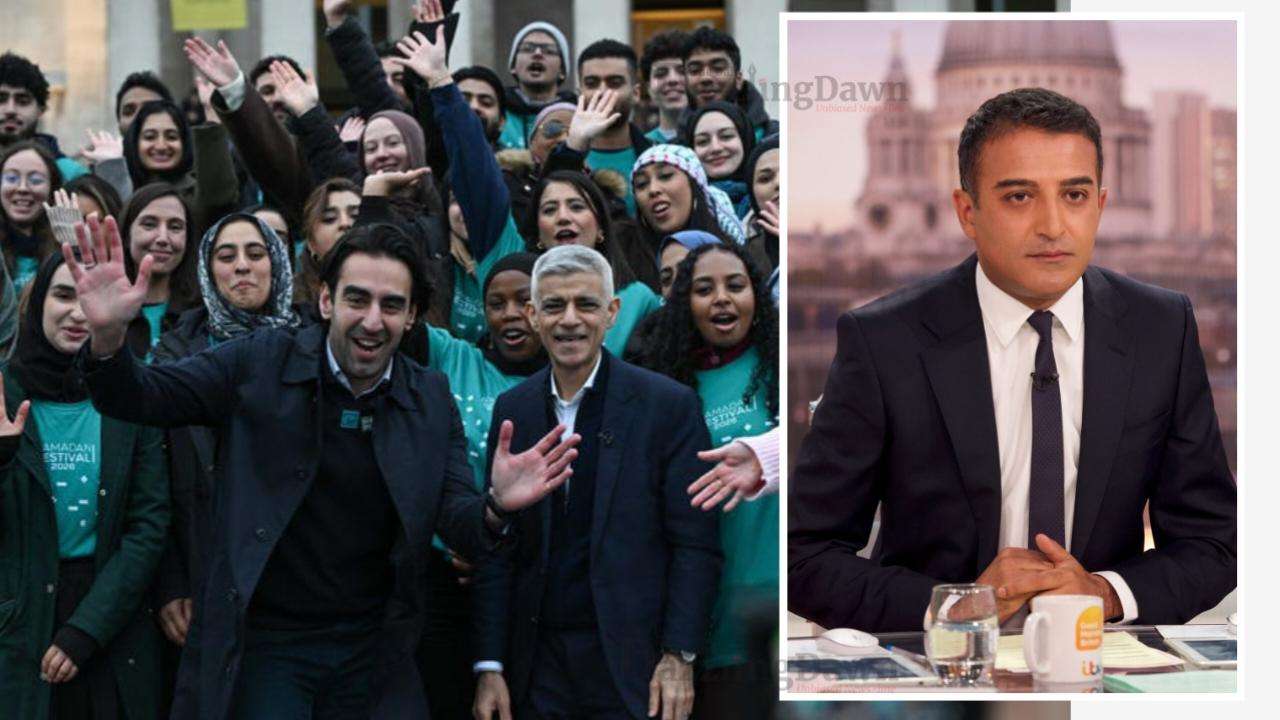
Broadcaster and advocate Adil Ray continues to lead the conversation on British identity by bridging cultural divides with historical facts.
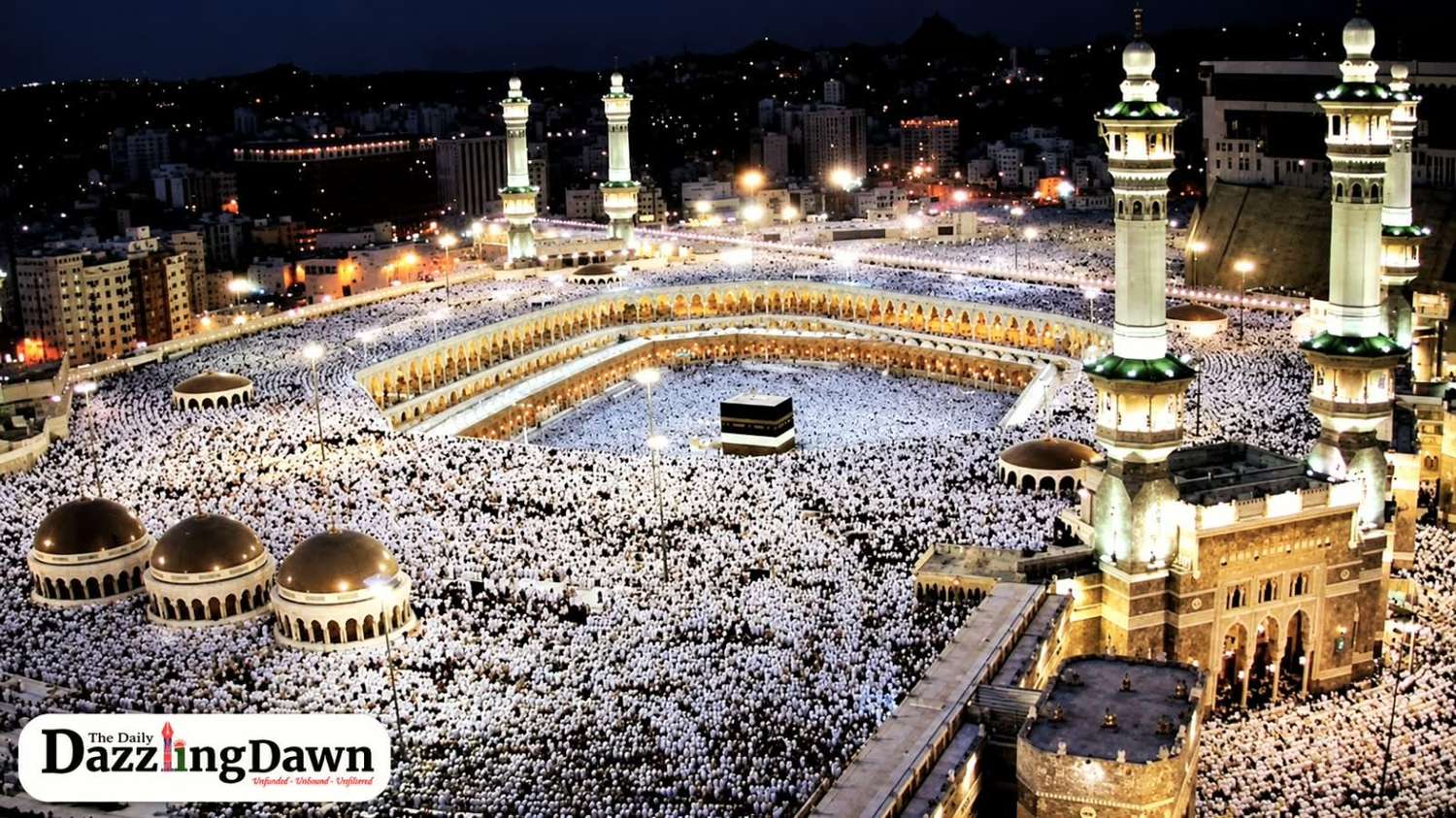
Following the successful "Open Iftar" in Trafalgar Square—where thousands gathered alongside London Mayor Sadiq Khan to mark the conclusion of Ramadan—Ray has emerged as a prominent voice defending the visibility of minority communities in public life. While some political figures characterized the peaceful gathering as an "act of domination," Ray shifted the narrative toward education and shared heritage. He pointed out that the very symbols of British democracy, such as the Houses of Parliament and Big Ben, owe a significant debt to Islamic architectural tradition. Ray noted that the Gothic arches of the Palace of Westminster find their lineage in the Mosque of Cordoba, while the design of Big Ben reflects the stunning minarets of the Great Mosque of Aleppo.
Defending Choice and Individual Liberty
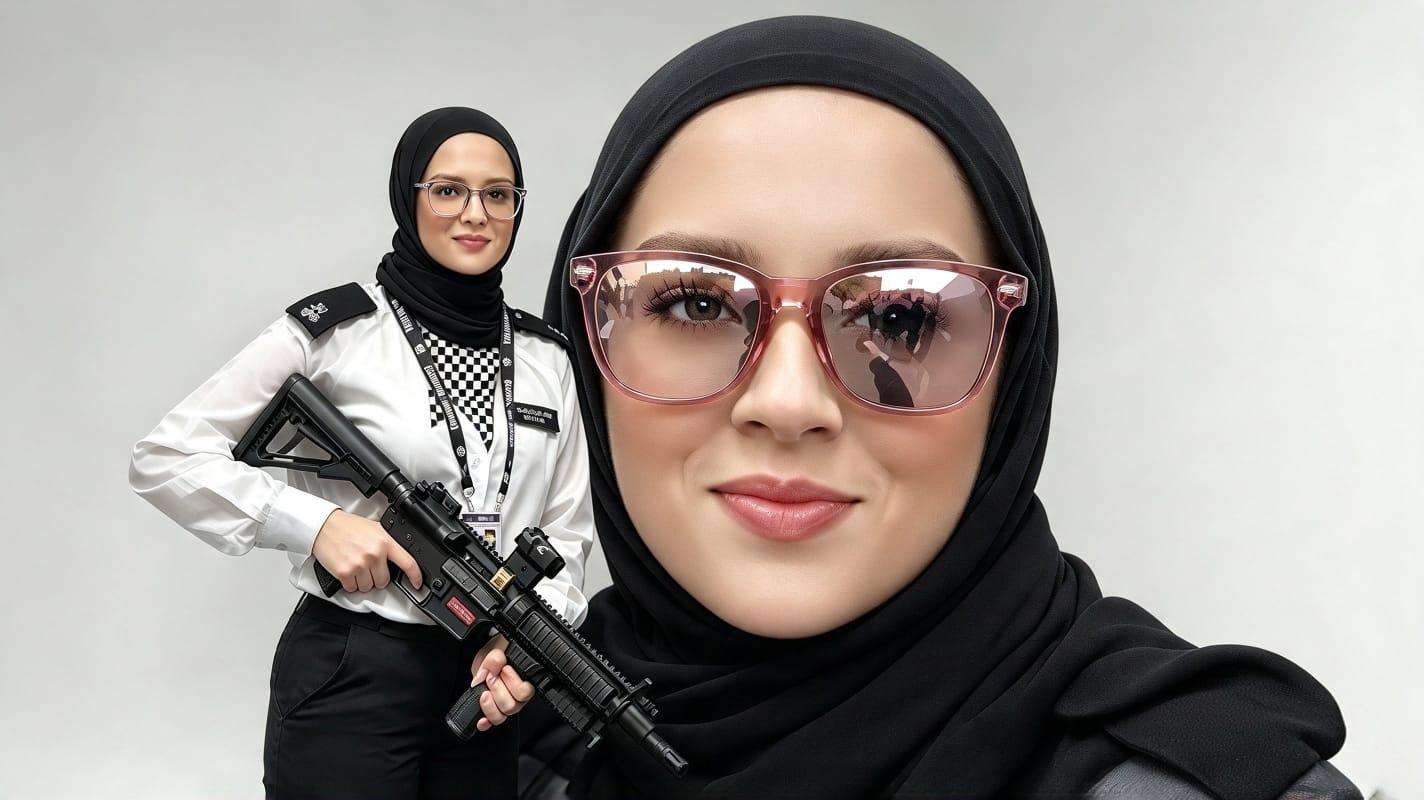
In a sophisticated exchange on social media, Ray stood firm against critiques regarding religious attire, framing the issue as one of personal autonomy and consistency. He challenged the double standards often applied to Muslim women by comparing religious modesty to the uniforms and dress codes accepted in secular institutions, schools, and even Christian convents. By highlighting that many women choose to cover as an expression of their independence and right to privacy, Ray dismantled the narrative that religious clothing is inherently more coercive than the strict dress guidelines found in Western corporate and educational environments.
A Consistent Voice for Inclusion
This recent defense of multiculturalism is part of a broader commitment by Ray to support minority voices in the public eye. Recently, he publicly backed Great British Bake Off winner Nadiya Hussain, highlighting the nuances of faith in the media industry. He has also remained a vocal critic of divisive rhetoric regarding immigration, notably calling out high-profile figures for using exclusionary language. Ray’s approach remains rooted in the idea that Britishness is an evolving, inclusive identity strengthened by its diverse history rather than threatened by it.
Looking Ahead: The Future of Public Faith
As the UK continues to navigate its role as a modern, multicultural society, the success of events like the Open Iftar suggests a growing appetite for communal celebration over division. Observers expect Ray to continue utilizing his platform to advocate for "Total Representation," a movement aimed at ensuring minority contributions to British history are taught in schools and recognized in the mainstream. His upcoming projects are anticipated to focus on these historical links, further cementing his role as a vital educator in the fight against cultural misinformation.




.jpg)


_2.jpg)