





.svg)
UK economy faces worst G20 outlook as Middle East energy shock collides with new domestic taxes.
As the Bank of England warns that inflation could surge toward 3.5% this summer, the UK is now officially projected by the OECD to be the hardest-hit economy in the G20. A perfect storm of Iranian-led disruption in the Strait of Hormuz and a series of controversial domestic policy shifts has left the British public facing a cost-of-living crisis with haunting parallels to the 1970s.
While the government maintains that the energy crisis is an external shock, new data reveals that domestic pressures are compounding the pain. Beyond the surging cost of fuel and heating, a fresh "packaging levy" implemented this month is set to drain £1.4 billion from the retail sector—a cost industry leaders like M&S boss Stuart Machin warn will be passed directly to consumers at the checkout. With the national minimum wage and employer National Insurance contributions also climbing, the "wafer-thin" margins of UK supermarkets are being pushed to a breaking point.
The specter of the 1970s looms large as the government faces accusations of "price gouging" itself through high Treasury takes at the pump, even as it threatens businesses with anti-profiteering crackdowns. Despite the Department for Energy Security and Net Zero ruling out immediate blackouts, the National Energy System Operator (NESO) has identified "tight days" ahead for the grid, leading to renewed public anxiety over energy rationing and the potential for a forced four-day working week to preserve dwindling supplies.
The Strategy of Blame vs. Economic Reality
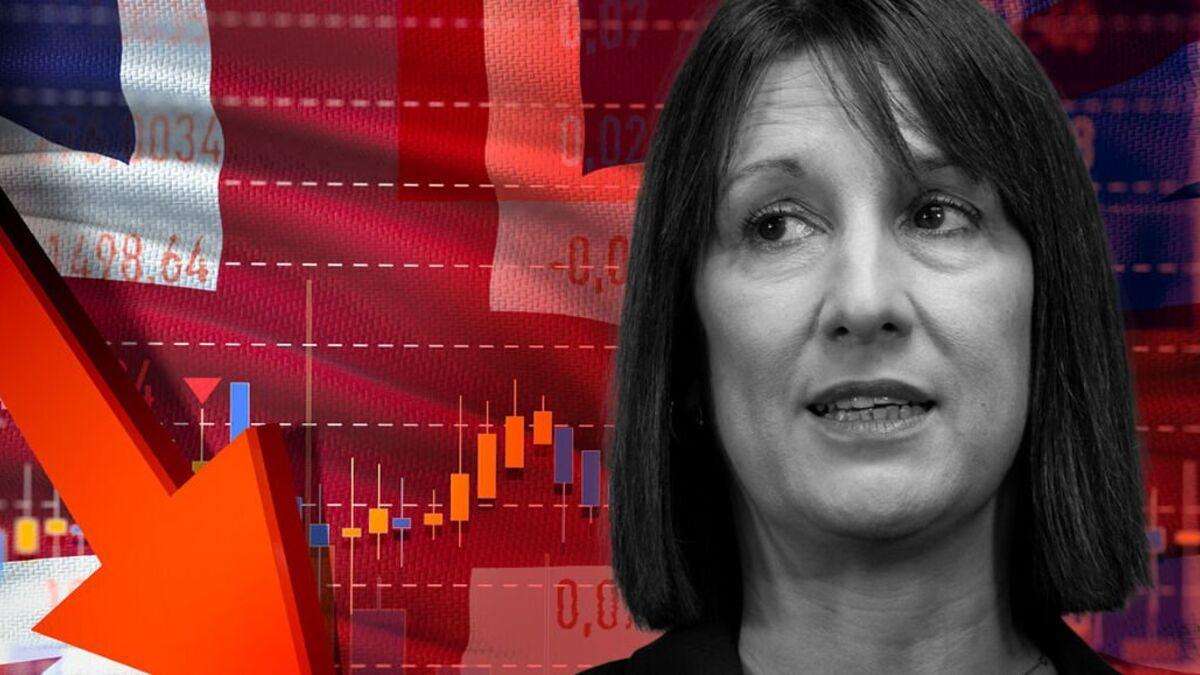
Chancellor Rachel Reeves has centered her defense on a new "anti-profiteering framework," suggesting that corporate greed is the primary driver of rising costs. However, retail analysts point out that the government's own regulatory burden—including the new Extended Producer Responsibility (EPR) scheme—is what is truly driving the inflationary spike. While Energy Secretary Ed Miliband remains committed to a "clean energy superpower" status by 2030, the immediate ban on new North Sea drilling has left the UK more dependent than ever on expensive, volatile international imports during a global conflict.
Public Outcry: "They Really Don't Learn"
The sentiment on the street reflects a deep-seated frustration with the current trajectory.
Howard Blackmore, who lived through the original era of stagflation, noted: "Nothing in this is new to me. I was in my twenties during the 1970s, so I remember it all vividly. What I’m seeing now is Labour dusting off the same old rule book, as if the lessons of that decade never sank in. They really don’t learn. And somewhere in a drawer I still have my fuel-ration book from the seventies… I’ll have to dig it out."
Stephen Green criticized the government's communication strategy, stating: "Now it is 'price gouging and profiteering'—they seem to have an endless fund of words to try to cover up what they are doing, and assume people are too ignorant to see through them. In my opinion, it is doubly offensive in that they think they hide their mistakes and assume we are stupid. Of course, we will be those paying."
Joseph Harland added: "I don’t think this government has had any plan or direction for the country since it took office. They’ve pursued a policy of made-up economics that has failed, but they do seem to have a plan to increase taxation to cover their undeniable misjudgment."
Another commentator highlighted the resource paradox: "Labour have always borrowed their way out of problems rather than face them head on. The big difference between now and the 1970s is we have plenty of oil and gas beneath our feet, yet that fool Miliband would rather import it from Norway than re-open our reserves. Add to that the other large problem of illegal immigration that is costing the UK citizens masses in taxation and a chancellor not fit for purpose, you have a perfect storm for disaster!"
What Happens Next
The immediate focus shifts to the upcoming April 1st tax changes and the potential for the Bank of England to pivot back toward interest rate hikes if the Middle East blockade continues. With the OECD forecasting a mere 0.7% growth for the UK this year, the "Winter of Discontent" narrative is no longer just a history lesson—it is becoming a daily reality for millions of households across the country.