



.svg)
Hungarians headed to the polls on Sunday in a decisive parliamentary election that could reshape the country’s political future and potentially end the long-standing rule of Prime Minister Viktor Orbán.
Orbán, 62, has been a central figure in Hungary’s politics for decades. He first rose to prominence in 1988 as a founding member of the Federation of Young Democrats (Fidesz). After serving as prime minister from 1998 to 2002, he returned to power in 2010 following a landslide victory and has remained in office ever since.
During his time in leadership, Orbán introduced sweeping constitutional changes and promoted a conservative, nationalist agenda. He is widely known for his strong anti-immigration stance and for maintaining close relations with Russian President Vladimir Putin. His refusal to support Ukraine in its war with Russia has drawn criticism from Western allies.
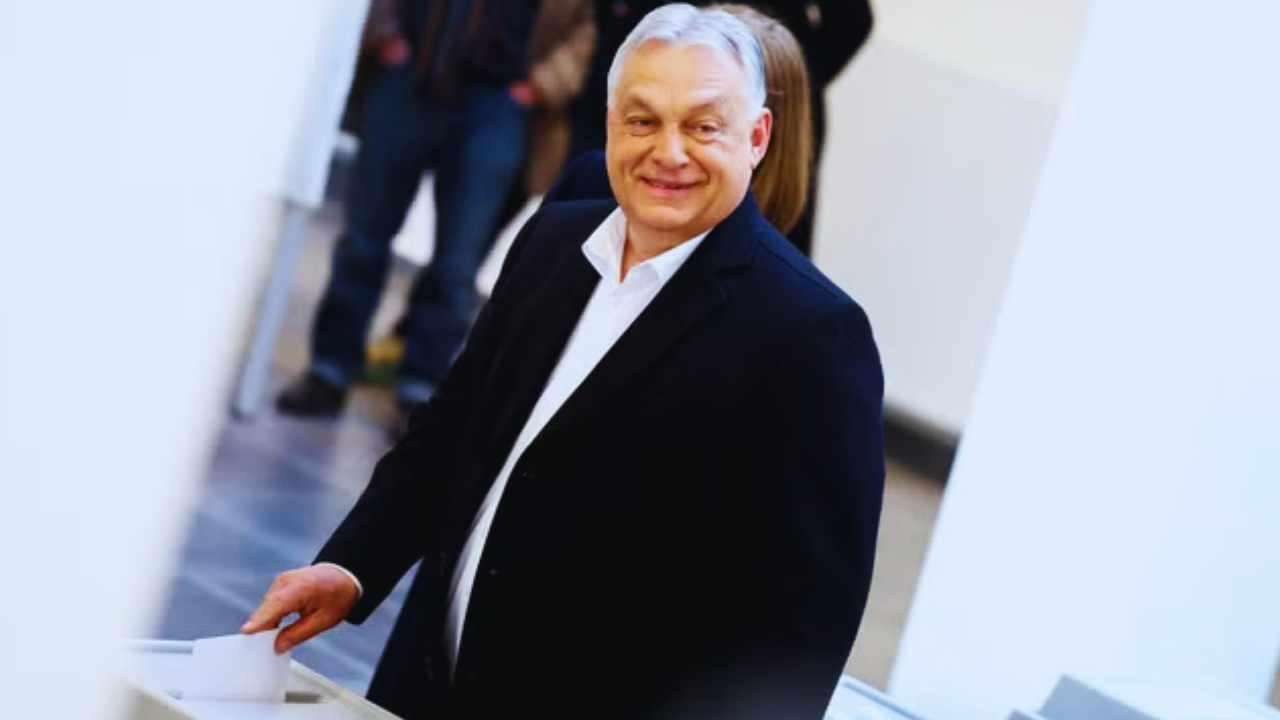
As voting began in the capital, Budapest, Orbán expressed confidence in the outcome. After casting his ballot, he told reporters, “I am here to win.”
Read more: Hungary Votes in High-Stakes Election That Could End Viktor Orbán’s Long Rule
Read more: Péter Magyar’s Landslide Victory Over Viktor Orbán Sparks Worldwide Reactions
However, this election is shaping up to be his toughest challenge in 16 years. The center-right Tisza party, led by Péter Magyar, has gained significant momentum in recent weeks.
Pre-election polls suggest that Tisza may have the edge among decided voters, with some surveys showing the party leading Fidesz by double digits. Still, a large number of undecided voters means the final result remains uncertain.
Political analysts say the outcome of this election could have far-reaching implications not only for Hungary but also for the broader European political landscape. A shift in leadership could alter Hungary’s relationship with the European Union, its stance on Russia, and its role in regional geopolitics.
As votes are counted, both supporters and critics of Orbán await the results of what could be a historic turning point for the nation.