
.jpg)


.svg)
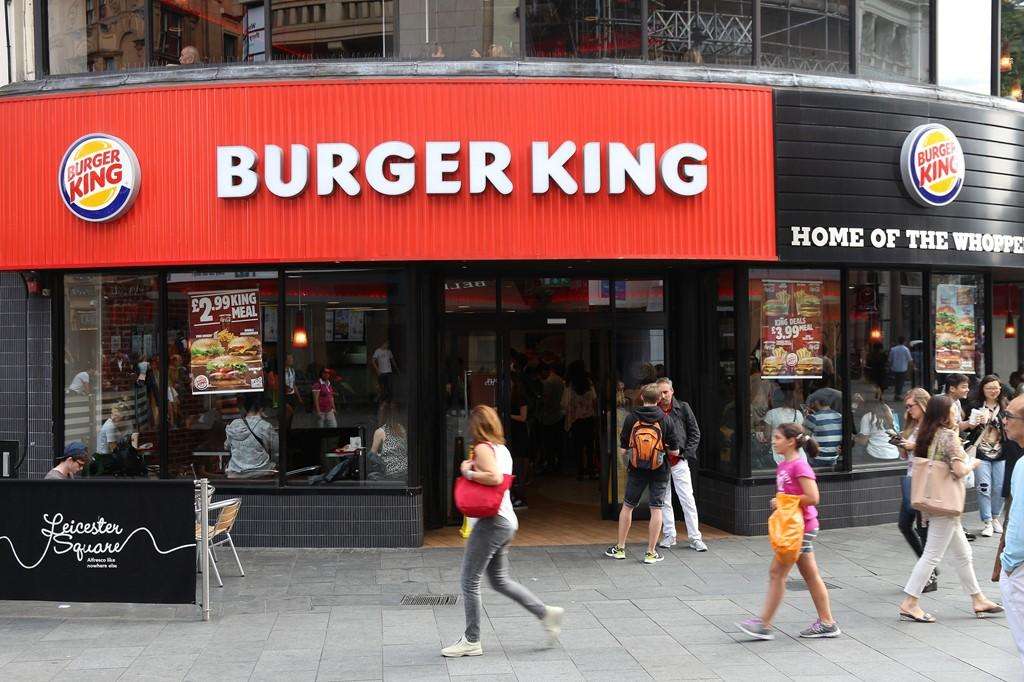
Burger King UK is initiating a massive physical rollout across Britain and Ireland, powered by a freshly secured £60 million debt facility that critics fear will further destabilise the nation's traditional independent restaurant landscape. The financing, split equally between Metro Bank and OakNorth, is the catalyst for 30 new restaurant openings annually, a move that coincides with a projected six hospitality closures per day across the UK in 2026. While the global brand scales up, the local "curry house" and family-run fish and chip shop sectors are being systematically pushed to the margins by the sheer weight of corporate capital and industrial efficiency.
The timing of this expansion is particularly pointed for the UK's 10,000 independent fish and chip shops and the storied Indian and Bangladeshi restaurant sector. As Burger King leverages its master franchise agreement to enter the Republic of Ireland for the first time, local business owners are navigating a 115% surge in business rates and the rising costs of the National Living Wage. For the traditional "chippie" and local chicken shop, the challenge is compounded by a 21% drop in sales over the last two years, leaving them vulnerable to the aggressive, well-funded market entry of global chains that can absorb these inflationary shocks.
Despite a challenging global macroeconomic environment and significant sector cost pressures, we have grown revenue by 10% to £448.7 million and delivered like-for-like sales growth of 6.8%, demonstrating the resilience of our brand and the quality of our offer in a competitive market, a spokesperson told journalists. This financial health contrasts sharply with the independent sector, where trade bodies warn that up to half of all traditional fish and chip outlets face permanent closure if current conditions persist. The corporate giant’s ability to maintain "disciplined cost control" while smaller rivals are forced to raise prices for a standard takeaway to over £11.00 is creating a fundamental shift in how the British public eats.
The next phase of the strategy involves a heavy focus on company-owned sites, which will make up two-thirds of the new 2026 pipeline. This move toward direct ownership allows the brand to implement technological efficiencies and home delivery operations that independent retailers struggle to fund. The backing from Bridgepoint, which committed an additional £30 million this year, provides a platform to execute expansion plans with further conviction, a source told journalists. This "conviction" is increasingly being felt on high streets where long-standing local businesses are being replaced by standardised corporate units.
Looking ahead, the hospitality industry is bracing for a significant restructuring. While Burger King monitors geopolitical uncertainty and consumer confidence, the real impact is the erosion of the local business ecosystem. As the brand eyes high-footfall retail parks and drive-thru locations, the independent sector's traditional strongholds are being dismantled. The transition from diverse, locally-owned eateries to a corporate-dominated landscape is no longer a forecast—it is the immediate reality for 2026, as the "jobs bloodbath" predicted by industry leaders begins to take its toll on the independent backbone of British dining.