






.svg)
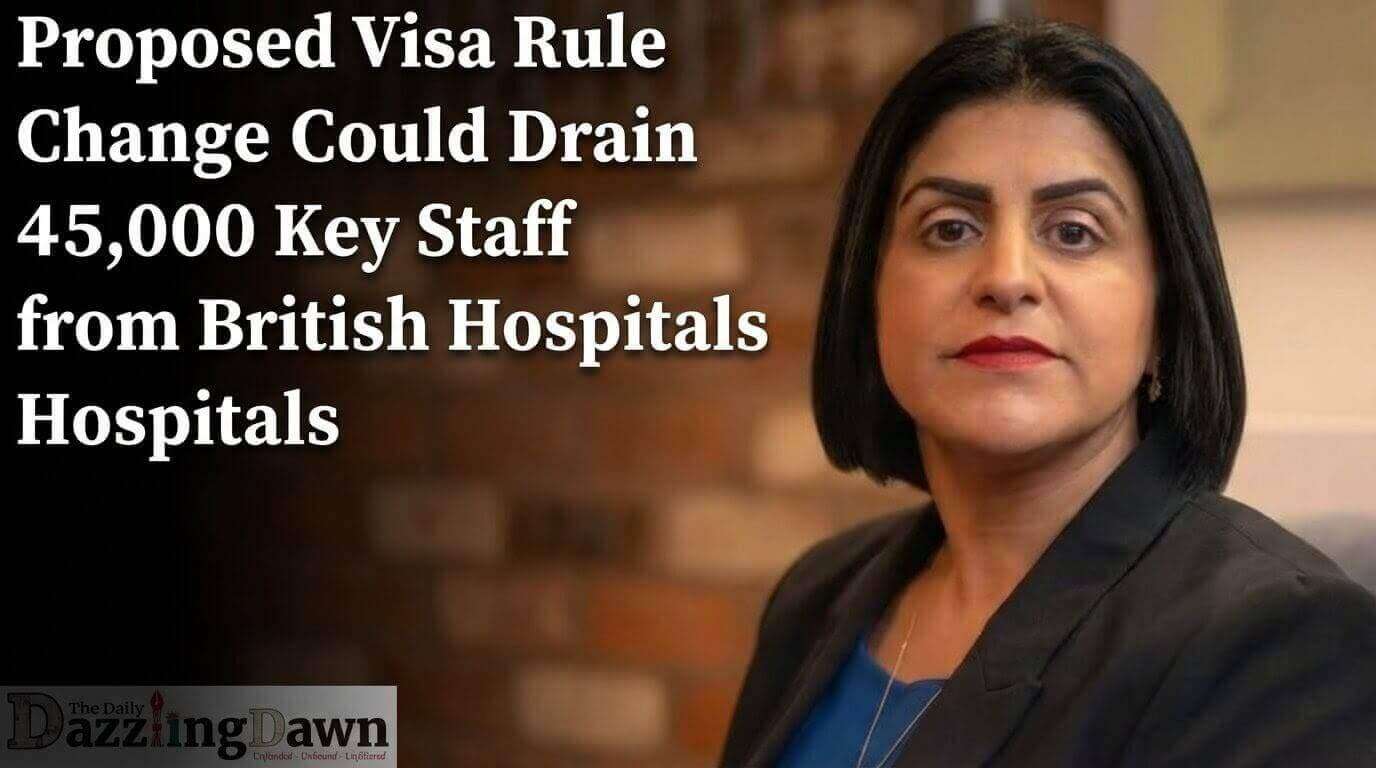
The Home Secretary is currently navigating a significant internal and external challenge as the government prepares to implement a restrictive shift in the UK's settlement landscape, Daily Dazzling Dawn confirmed.
NHS at a Breaking Point- The proposed overhaul of the Indefinite Leave to Remain (ILR) system, which seeks to double the residency requirement from five years to ten, has triggered an immediate backlash from the healthcare sector. Professional bodies and unions have informed journalists that this change could lead to a departure of up to 45,000 nurses. The Royal College of Nursing has warned that patient care is at risk of significant disruption, noting that the UK must urgently increase domestic training to mitigate the potential loss of international talent.
"In the context of a global nursing workforce shortage, there is a responsibility for all countries, including the UK, to increase and sustain a domestic supply of registered nurses," a spokesperson for the Royal College of Nursing told journalists. They further proposed that the government should instead fast-track settlement for nursing staff to ensure retention, suggesting that application fees be slashed from over £3,000 to approximately £523.
Political Pressure and Future Strategy- While the Home Office aims to curb the influx of low-skilled workers and protect the welfare state, the political landscape is becoming increasingly fractured. From the opposition, Reform UK has positioned itself as a vocal critic of past and present migration management. Zia Yusuf, Reform’s home affairs spokesman, told journalists that the current situation is a "fiscal disaster" and accused the political establishment of failing to prioritise homegrown medical students. He confirmed that a Reform government would lift the cap on medical school places and initiate a national inquiry into the "gross negligence" of previous border management.
Conversely, Shadow Home Secretary Chris Philp challenged the Home Secretary’s resolve, suggesting that the upcoming weeks will reveal if she has the "backbone" to face down the left wing of her party. Philp told journalists that the era of relying on mass, low-skilled migration must end, advocating for a hard cap on annual arrivals and the abolition of the current immigration tribunal system.
The Data Behind the Shift- The urgency of the Home Office's plans is driven by record-breaking migration figures. Net migration reached a peak of 944,000 in the year ending March 2023. Although it fell to 204,000 by September 2025, officials remain concerned that 1.6 million people could still qualify for settlement under old rules, potentially placing a long-term strain on social housing.
Read our most recent UK immigration related analysis
93% Exit Risk: UK Facing Massive Skilled Worker Exodus Over Visa Rule Shifts
UK ILR Pivot: Who Escapes the 10-Year Wait?
10-Year ILR Trap: Why 100+ MPs Are Forcing a Historic Parliament Vote
10-Year ILR: The End of the British Dream?
Beyond Britain: Where 93% of Displaced Skilled Workers Will Head Next
Home Secretary Shabana Mahmood told journalists that without these changes, there is a direct correlation between high migration numbers and increased future reliance on state assistance. Under the new proposals, arrivals must not only wait a decade but must also demonstrate English proficiency to A-level standards and maintain a clean criminal record.
The Home Secretary now faces a pivotal moment that will likely define her tenure. With the "Boris Wave" of migrants approaching their original five-year settlement mark, the government must decide whether to stand firm on the ten-year extension or offer concessions to the healthcare sector to prevent a staffing collapse. Sources suggest that if the rebellion among Labour backbenchers continues to grow, the Home Office may be forced to introduce specific exemptions for "public service occupations," a move that Care England warns could create a loophole where care workers move to the NHS simply to secure their legal status.






.jpg)