



.svg)
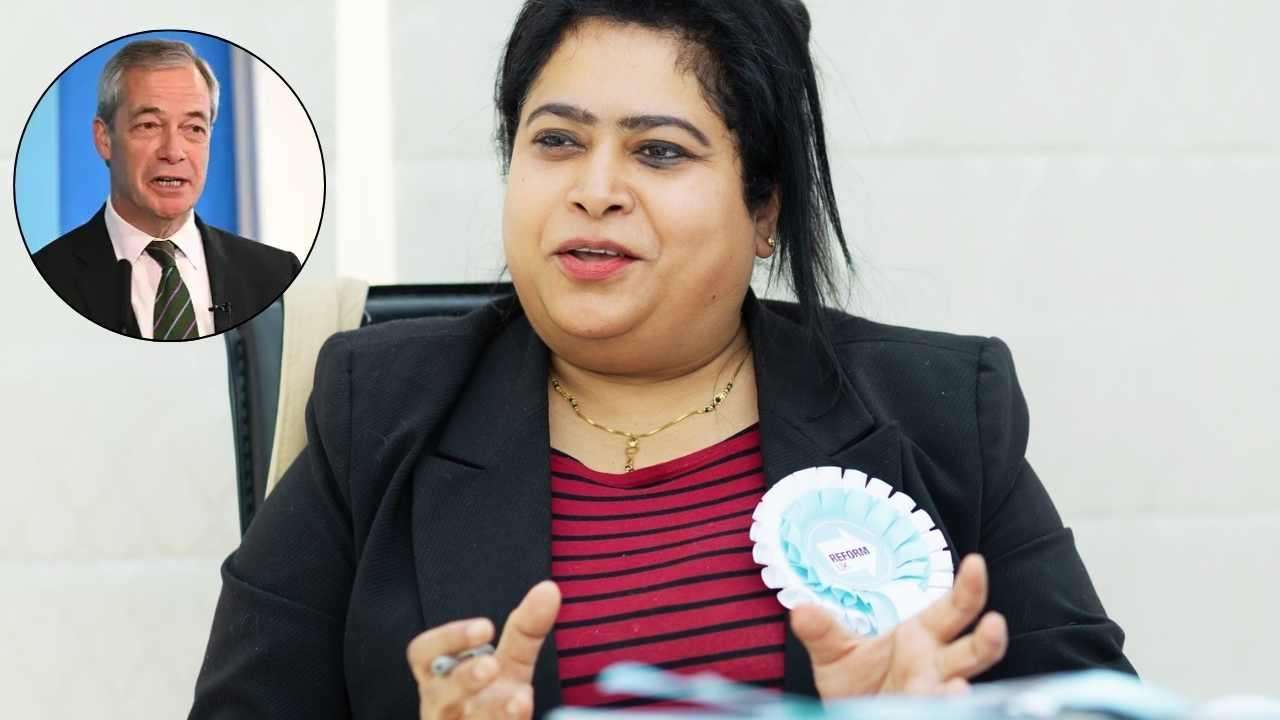
An NHS doctor based in Harrow has expressed strong support for Reform UK, highlighting what she sees as similarities between party leader Nigel Farage and India’s Prime Minister Narendra Modi. Avitha Prakash, who also chairs Reform UK’s local branch in the London borough, believes both figures prioritize the interests of the majority and deliver on their promises.
Prakash, 47, originally from Mysore in southern India, moved to the UK in 2003 to complete her medical exams. After building a career within the NHS, she eventually secured British citizenship. Reflecting on her experience, she said her views have shifted over time, particularly after working in diverse urban areas like London and Birmingham. She feels the country has changed significantly compared to when she first arrived.
She argues that both Farage and Modi focus on addressing what they see as imbalances in policy, particularly around immigration and governance. While critics accuse both leaders of targeting marginalized groups, Prakash believes their approach resonates with many voters who feel overlooked.
Her stance aligns with a growing trend among British Indians showing increased support for Reform UK. Research from the 1928 Institute indicates that backing for the party within this community rose from 4% in 2024 to 13% in 2025, suggesting a gradual but notable shift.
Read more: Shabana Mandates 10-Year Wait for UK Indefinite Leave to Remain
Prakash is currently leading a slate of 55 Reform UK candidates contesting seats in Harrow’s upcoming local elections. The borough, where British Asians make up nearly half the population according to the 2021 census, has traditionally leaned Conservative. The area’s MP, Bob Blackman, has held Harrow East since 2010 and has previously expressed support for Modi, even receiving India’s Padma Shri award.
Once a supporter of Boris Johnson, Prakash has since become critical of the Conservative Party, particularly over its handling of immigration policies. She specifically pointed to the failure to implement plans to deport illegal migrants to Rwanda as a turning point.
Reform UK’s proposals appeal to her, especially its tougher stance on immigration. The party has suggested scrapping indefinite leave to remain (ILR) and replacing it with renewable visas every five years, alongside stricter requirements on income and language proficiency. While critics argue these measures are harsh, Prakash believes the country should strictly manage migration based on its needs.
Conversations with residents in Harrow suggest immigration remains a key issue among voters. Some express frustration over the perceived disparity between support provided to asylum seekers and the challenges faced by legal migrants working in the UK.
Despite controversies surrounding Reform UK—including past accusations of racism against party figures—Prakash dismisses such claims. She argues that the party’s diversity, including figures like Zia Yusuf, contradicts those allegations. She also claims that Reform candidates from minority backgrounds have faced significant online abuse during the campaign.
As the local elections approach, Prakash says she is focused on engaging voters across political lines. She believes there is growing support for Reform UK among former Labour and Conservative voters, as well as those who previously remained disengaged.
She concludes that many people she has spoken to are calling for a shift in priorities, emphasizing what they see as the need to put national interests first.



.jpeg)
