





.svg)
The Home Secretary’s rejection of ‘progressive gatekeeping’ signals a new era where heritage is the ultimate shield for the state’s most restrictive reforms.
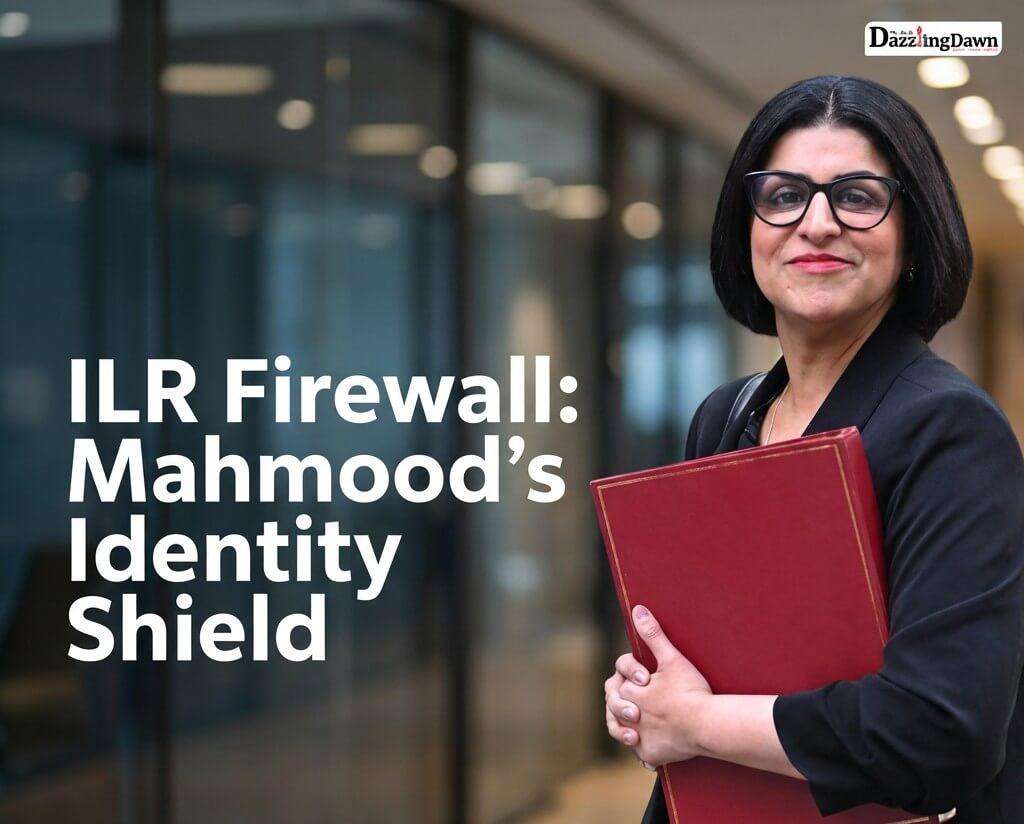
In the high-stakes theater of Westminster, a profound shift in political optics has transformed the frontline of the immigration debate. The appointment of Home Secretary Shabana Mahmood—a woman of Muslim faith and immigrant heritage—to oversee the most significant border tightening in decades is viewed by analysts not as a coincidence, but as the perfection of a "rhetorical firewall." This strategy, known in political science as "identity shielding," effectively recalibrates the traditional conflict: it is no longer the state versus the newcomer, but a minister of immigrant descent versus the immigrant.
The mechanics of this shielding serve three critical strategic purposes for the establishment. First, it functions as a preemptive strike against accusations of structural racism. When the individual signing draconian legislation shares a background with those affected, the "racism" charge loses its traditional rhetorical potency. Second, it utilizes the "permission narrative," allowing a minister to speak with an "insider authority" that white, patrician politicians lack. Mahmood can frame reforms—such as the April 2026 shift to an "Earned Settlement" model that doubles the residency requirement for Indefinite Leave to Remain from five to ten years—as a defense of "integrated" citizens. This strategically bifurcates the immigrant voting bloc between established residents and recent arrivals.
Finally, it facilitates "backlash redirection." On March 26, 2026, the Home Office implemented a "visa brake" on several nationalities, including Afghans. The inevitable fury of the affected community is funneled toward Mahmood as a perceived "sell-out," leaving the systemic machinery of the Cabinet shielded from the fallout. This pattern follows a clear historical lineage seen in Priti Patel’s Rwanda plan and Suella Braverman’s "invasion" rhetoric, yet Mahmood has added a new layer of complexity.
In a recent confrontation that has rippled through the political establishment, Mahmood explicitly rejected "progressive gatekeeping." She challenged the assumption that ethnic minority politicians must adhere to a liberal script, telling journalists: "How dare you, a brown woman, say a thing we white liberals think you’re not allowed to say?" This evolution suggests the "shield" is now an active participant in a meritocratic defense of national sovereignty.
Verified data reinforces this pivot. While immigration peaked previously, long-term net migration for the year ending June 2025 fell to 204,000, a two-thirds decrease. This statistical decline provides Mahmood the political capital to push even further. The paradox of modern Britain is now undeniable: as the executive branch becomes more diverse, the policies directed at the migration ladder become increasingly rigid. Whether this "identity firewall" is a cynical exploitation or a maturing democracy, it remains the government’s most effective weapon as it prepares for the next wave of legislative closures.

.jpg)