






.svg)
The British automotive landscape is witnessing a definitive recalibration as used vehicle valuations adjust toward pre-pandemic norms following years of unprecedented inflation.
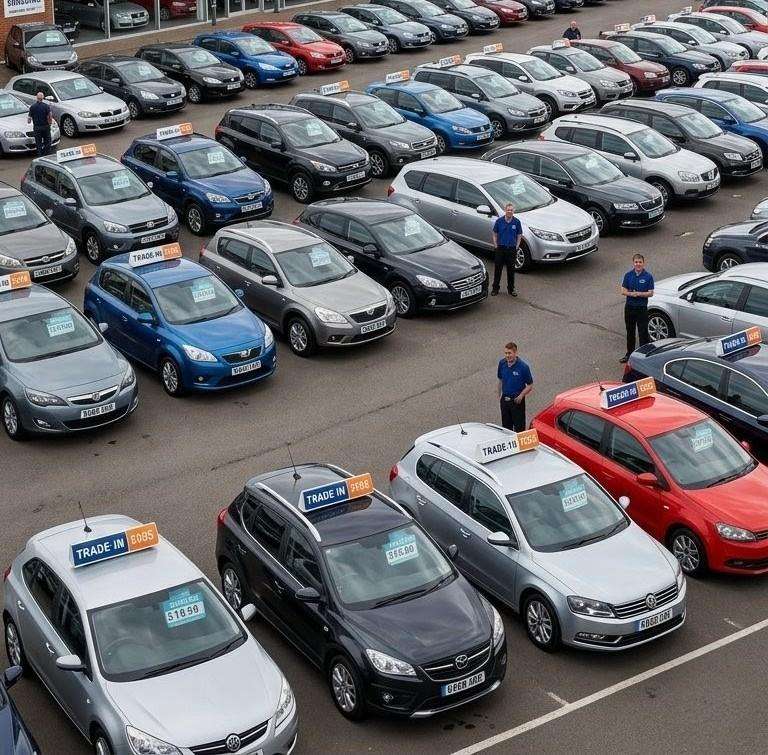
The shifting dynamics of the secondary market have become increasingly evident this spring, with a significant influx of inventory finally reaching forecourts. As of April 2026, the primary catalyst for this downward trend remains a robust recovery in the supply chain. The "logjam" of the previous years has cleared, resulting in a surplus of vehicles entering the market simultaneously. This surge is particularly noticeable among three-to-four-year-old models, creating what industry analysts describe as a prime window for consumers.
In the columns of Daily Dazzling Dawn, we examine how the conclusion of long-term lease agreements and personal contract purchase (PCP) cycles has saturated the market with high-quality, mid-age vehicles. This influx of ex-fleet and lease stock provides buyers with more leverage than they have enjoyed in nearly half a decade. When supply outweighs demand, the inevitable result is a downward pressure on price tags, particularly for internal combustion engine models and early-generation hybrids.
Expert commentary suggests that the current correction is not a temporary dip but a return to standard depreciation curves. During the global chip shortages of 2021 and 2022, used cars often appreciated in value—a phenomenon that was fundamentally unsustainable. Today, the market is correcting that anomaly. A journalist was told that for many popular SUVs and hatchbacks, prices have adjusted by nearly 20% year-on-year, reflecting a more balanced economic reality.
Specific models are feeling the impact of shifting consumer sentiment and technological advancement. As newer, more efficient powertrains enter the market, older iterations—specifically those reaching the end of their original manufacturer warranties—face steeper declines. The expiration of these warranties often coincides with the need for major scheduled maintenance, such as brake replacements or battery health checks for hybrids, further cooling the asking prices.
Looking ahead, the trajectory of used car values is expected to stabilize rather than continue a perpetual slide. While the "steep" phase of the drop may be nearing its floor, values are unlikely to rebound to the inflated levels seen in recent years. This is largely due to the steady stream of new car registrations, which ensures a healthy pipeline of future used stock. However, high-interest rates remain a tempering factor; until finance becomes cheaper, the volume of buyers will likely remain steady rather than explosive, keeping prices competitive.
The future of the market now rests on the delicate balance between environmental regulations and consumer affordability. While some suggest values could tick upward if new car production faces fresh hurdles, the current consensus points toward a period of price transparency and stability. For the proactive motorist, the coming months represent a strategic opportunity to secure modern safety and technology features without the premium attached to a brand-new registration.