






.svg)
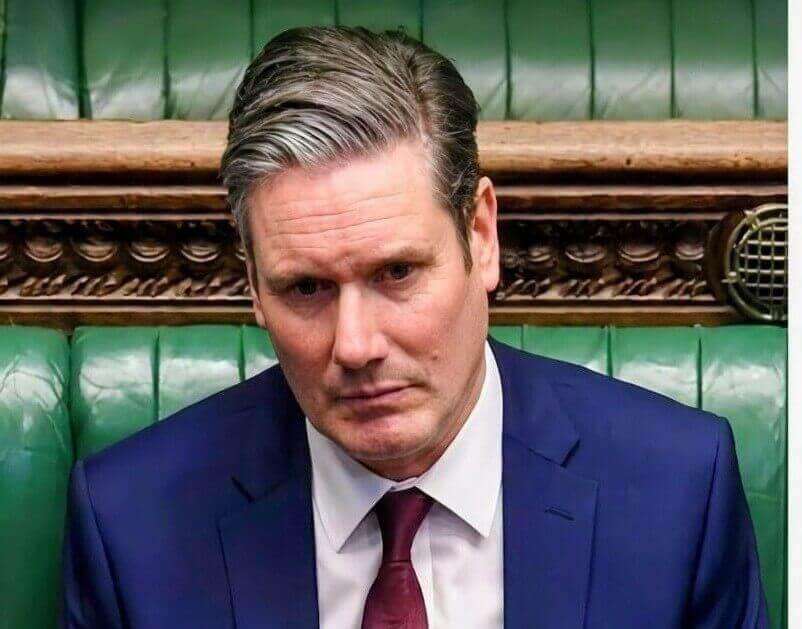
The political future of Sir Keir Starmer reaches a critical juncture tomorrow as the House of Commons prepares to vote on whether to refer the Prime Minister to the Privileges Committee. The motion, sanctioned by Speaker Sir Lindsay Hoyle, seeks to determine if Sir Keir misled Parliament regarding the vetting process of Lord Mandelson for the role of UK Ambassador to the United States. While the Prime Minister maintains a robust parliamentary majority, the proceedings have ignited a firestorm of constitutional debate over the sanctity of ministerial truthfulness.
The Mandelson Vetting Controversy-
At the heart of the dispute is whether Sir Keir’s previous assertions to the House—that Lord Mandelson’s appointment followed "due process" and was free from "any pressure whatsoever" on civil servants—align with internal realities. Discrepancies emerged following testimony from Sir Olly Robbins, the former senior civil servant at the Foreign Office, who suggested that "constant pressure" was indeed present during the security clearance phase. Reporting in the **daily dazzling dawn** highlights that tomorrow’s vote coincides with further high-profile evidence sessions at the Foreign Affairs Committee, where the Prime Minister’s former chief of staff, Morgan McSweeney, is expected to provide testimony that could either solidify or shatter the government’s narrative.
Constitutional Options and Resignation Thresholds- Under the Ministerial Code, any minister who "knowingly misleads Parliament" is expected to tender their resignation. However, the path following a potential loss in tomorrow's vote is not binary. If the Privileges Committee is triggered, Sir Keir is not required to resign immediately. Instead, he enters a period of extreme political vulnerability where his primary "option" is to demonstrate that any inaccuracies were inadvertent rather than intentional. Historically, Prime Ministers in this position rely on the loyalty of their backbenchers to block the referral entirely; however, with leadership chatter intensifying, a significant number of abstentions could signal a terminal decline in authority regardless of the formal outcome.
Downing Street has dismissed the referral motion as a "desperate political stunt" timed to influence the upcoming May local elections. A spokesperson told journalists that the government is already engaging fully with existing committee inquiries and characterized the move as a diversion from domestic issues like the NHS and cost of living. Conversely, Conservative leader Kemi Badenoch told journalists that the matter is one of "conscience," urging Labour MPs to prioritize parliamentary integrity over party loyalty. The Liberal Democrats have echoed this, demanding a free vote for Labour backbenchers to ensure the executive is held to the highest standard of accountability.
Should the vote pass, the Privileges Committee—the same body that oversaw the investigation into Boris Johnson—would gain the power to requisition private emails, WhatsApp messages, and internal memos related to the Mandelson appointment. Legal experts suggest that while Sir Keir could technically attempt to remain in office during such an inquiry, the political "atmospheric pressure" might make his position untenable if the committee uncovers evidence of a deliberate cover-up. For now, the Prime Minister is betting on party discipline to survive a week that has rapidly evolved from a diplomatic dispute into a foundational test of his premiership’s transparency.


.jpg)


_2.jpg)