






.svg)
Millions of pensioners across the UK are set to receive higher payments from May, following updated rates introduced by the Department for Work and Pensions (DWP). The changes come under the government’s Triple Lock commitment, which ensures pensions rise in line with earnings, inflation, or a minimum benchmark.
Under the new adjustments, those receiving the basic State Pension will gain up to £439 more annually. Meanwhile, individuals on the newer State Pension scheme are expected to see a larger increase of up to £575 per year.
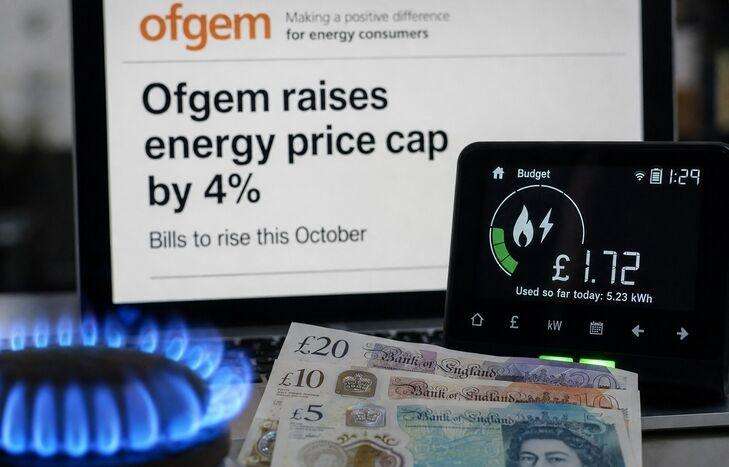
The updated payments will affect around 13 million pensioners nationwide. These changes are part of a broader effort by the government to ease financial pressures on households, alongside measures such as increases in the National Living Wage, reductions in average energy bills, adjustments to family benefit policies, and freezes on rail fares and prescription charges.
Work and Pensions Secretary Pat McFadden acknowledged the financial strain many households are facing due to global economic pressures. He emphasized that protecting pensioners remains a key priority, highlighting the decision to raise the full rate of the new State Pension by up to £575 over the coming year.
Pensions Minister Torsten Bell also reinforced the government’s stance, stating that individuals who have contributed throughout their working lives deserve a secure and reliable retirement. He noted that increasing pensions at a rate higher than inflation is intended to strengthen long-term financial stability for retirees.
Breakdown of the Increases
Basic State Pension
The full weekly payment for the basic State Pension will rise from £176.45 to £184.90, providing an annual boost of up to £439.40. This rate generally applies to women born before 1953 and men born before 1951.
New State Pension
The full rate for the new State Pension will increase by 4.8%, reflecting growth in average earnings. Weekly payments will go up from £230.25 to £241.30, equating to an annual increase of up to £574.60.
In addition, most working-age benefits and other financial support payments will also rise by 3.8%, offering further relief to millions of households.
Looking ahead, the government estimates that pensioners’ yearly incomes could increase by as much as £2,100 over time, helping to improve financial security for retirees across the country.