





.svg)
An intense and prolonged heatwave is causing severe hardship across Pakistan and India, as extreme temperatures continue to affect millions of people across South Asia.
In Pakistan’s Sindh province, temperatures throughout April and May have regularly climbed between 44°C and 46°C, forcing many residents indoors and placing outdoor workers, transport staff and farmers at serious risk.
India has also experienced dangerous heatwave conditions in states including Rajasthan, Gujarat and Maharashtra, with temperatures in several cities exceeding 45°C. Authorities have issued heat alerts as soaring temperatures strain electricity supplies, threaten public health and disrupt daily life.
The crisis has been especially severe in Karachi, where temperatures recently reached 44.1°C, according to the Pakistan Meteorological Department. The figure marks the city’s highest recorded temperature since 2018, with meteorologists warning even hotter days may still arrive.
Coastal communities in Karachi are among the worst affected. Residents of Ibrahim Hyderi, one of the city’s largest fishing communities, say prolonged power cuts and water shortages are making survival increasingly difficult.
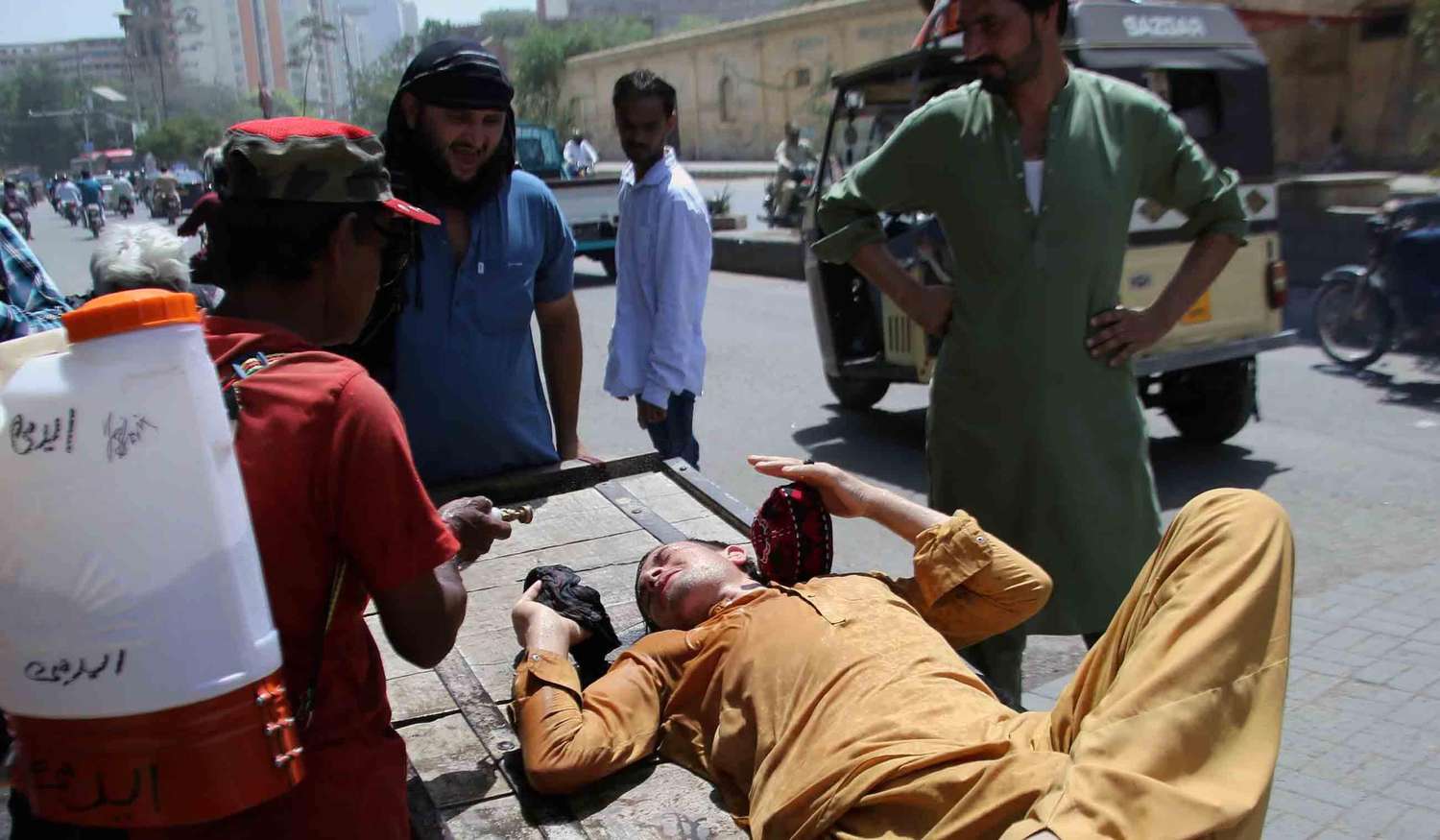
Local fisherman Abdul Sattar said one of his colleagues recently collapsed from heat exhaustion while working. He was later treated after being rushed to a doctor.
Residents still remember Karachi’s devastating 2015 heatwave, which killed thousands of people across the city. Heat-related deaths during the summer of 2024 again highlighted the city’s vulnerability to extreme weather.
Hospitals are also reporting a sharp rise in patients. Dr Suresh Kumar said daily child patient numbers at the local hospital have increased from around 50 to more than 200 since late April.
Most cases involve dehydration, diarrhoea and stomach infections linked to extreme heat and unsafe water conditions.
Climate experts warn that such extreme weather events are becoming more frequent due to climate change and rapid urbanisation.
The World Weather Attribution said human-caused climate change has made extreme heat events like the current one around three times more likely compared to pre-industrial conditions.
Environmental expert Yasir Darya said Karachi’s high humidity makes temperatures feel even hotter and warned that unusually warm nights are becoming more common, worsening health risks and living conditions.
He also highlighted the lack of cooling centres, shrinking tree cover and insufficient public heat-relief systems in the city.
According to the Pakistan Meteorological Department, average temperatures in the region have risen significantly in recent decades, with experts warning that summers are becoming longer, hotter and increasingly unpredictable.
Climate specialists are calling for urgent measures including public cooling centres, improved access to drinking water, emergency healthcare preparation and large-scale tree planting projects.