



.svg)
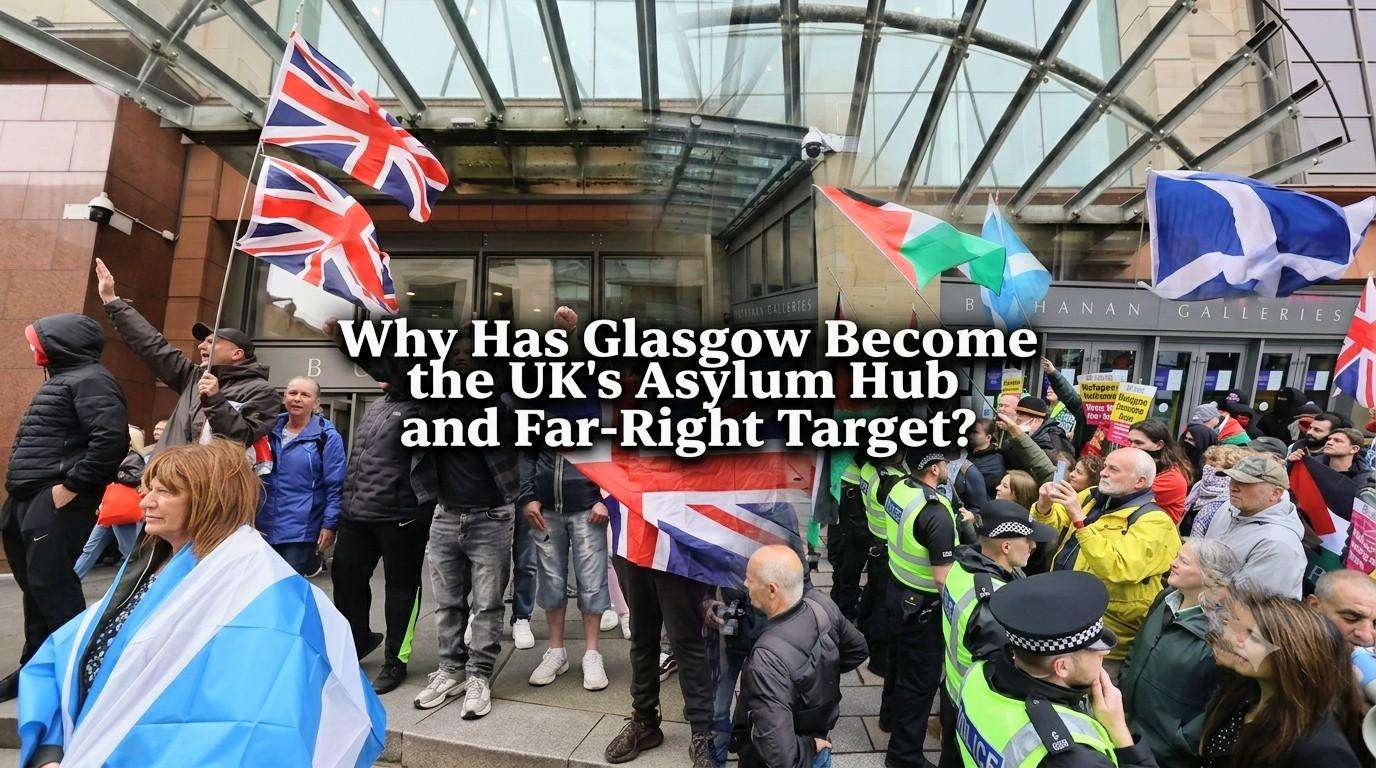
New figures from conflict monitoring group ACLED reveal a sharp rise in far-right and anti-immigration protests across the UK since Sir Keir Starmer became Prime Minister.
According to the research, there have been 328 anti-immigration or far-right demonstrations during the first 22 months of Labour’s leadership, compared to just 63 protests recorded during more than four years under Conservative rule.
Analysts say tensions escalated significantly after the 2024 Southport attack, where British citizen Axel Rudakubana killed three young girls attending a Taylor Swift-themed dance class in Merseyside. False claims circulated online suggesting the attacker was an asylum seeker, sparking widespread unrest and race riots across parts of the country.
Researchers noted that demonstrations intensified further in 2025, with anti-migrant protests increasing rapidly and peaking at 74 incidents in August. Much of the anger focused on hotels housing asylum seekers, particularly after asylum seeker Hadush Kebatu was convicted of sexually assaulting a teenage girl and a woman while staying at the Bell Hotel in Essex.
Experts say far-right activists have become increasingly skilled at turning local incidents into nationwide political flashpoints through social media campaigns and organised protests.
Joel Crisetig of ACLED explained that online platforms helped activists spread anti-immigration narratives quickly, allowing local groups to coordinate demonstrations outside migrant accommodation sites across the UK.
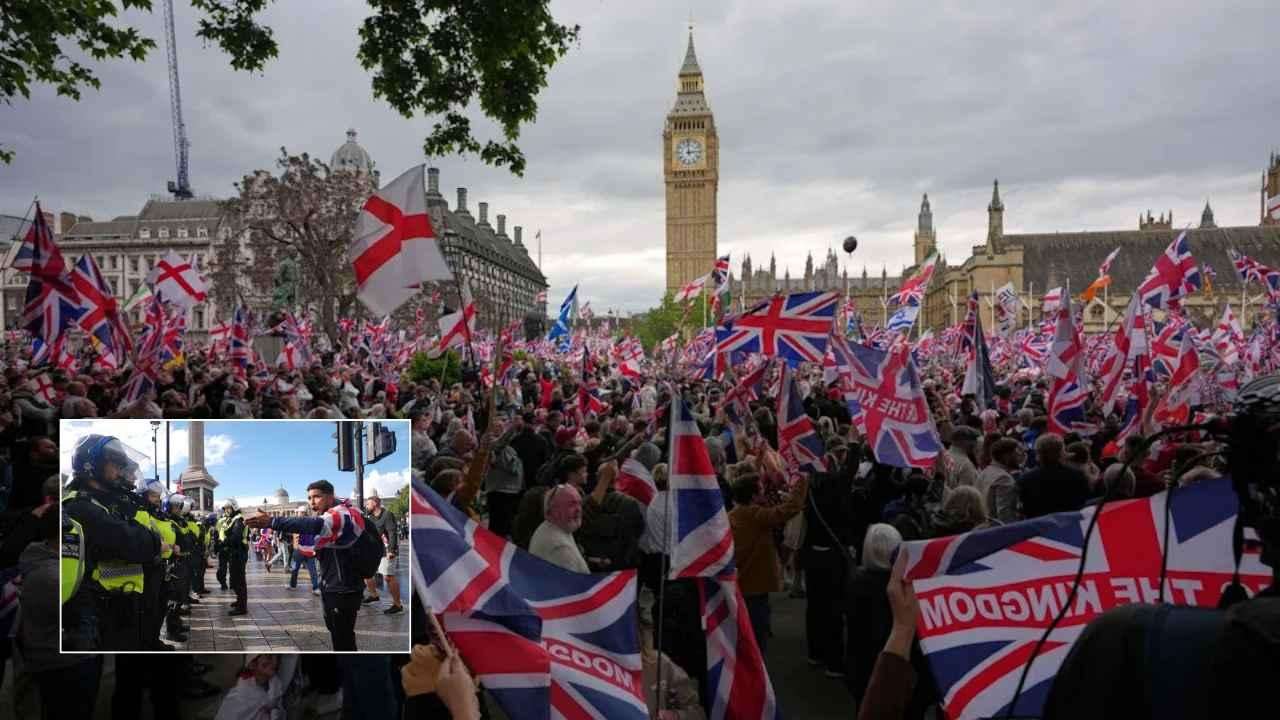
Meanwhile, thousands of protesters gathered in London over the weekend for Unite the Kingdom march led by supporters of Tommy Robinson, alongside a separate pro-Palestinian Nakba Day rally. The Metropolitan Police deployed around 4,000 officers during the large-scale policing operation and confirmed dozens of arrests.
Speaking ahead of the demonstrations, Prime Minister Starmer warned that Britain was facing “a fight for the soul of this country,” describing the rise of extremist activism as a serious challenge.
Academic experts also pointed to changes on X as a major factor behind the movement’s growth. Dr Georgios Samara of King's College London argued that reduced moderation on the platform had created an environment where extremist rhetoric could spread more freely.
Elon Musk has previously voiced support for Tommy Robinson and recently reshared one of the activist’s videos, criticising the imprisonment of people over social media posts.
Anti-extremism organisation HOPE not hate also warned that anti-migrant hostility has become increasingly mainstream in Britain over recent years. Its representatives argued that political rhetoric from both major parties had contributed to the normalisation of far-right talking points.
A spokesperson for the Home Office defended the right to peaceful protest but stressed that anyone spreading hate, racism, or violence would face legal consequences.