
.jpg)




.svg)
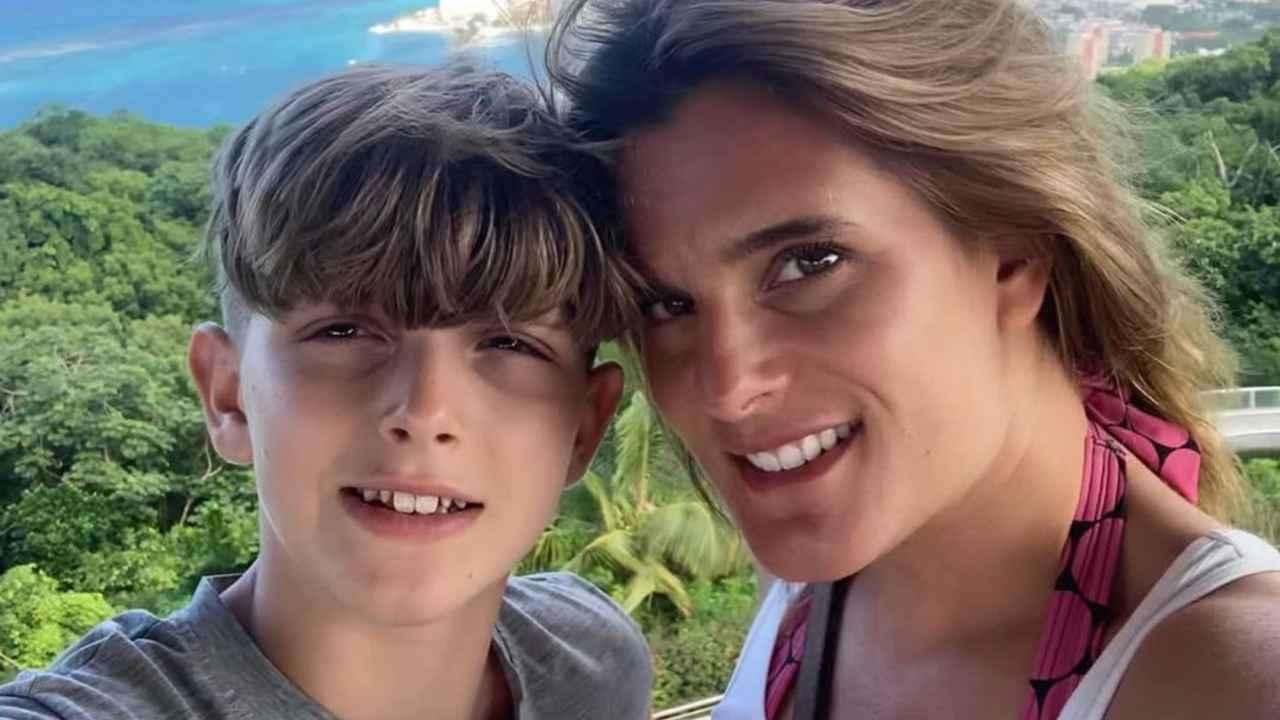
The mother of a 14-year-old boy believed to have died after taking part in a dangerous TikTok challenge has accused the UK government of delaying action on social media safety laws for children.
Ellen Roome, whose son Jools Sweeney died in 2022, said ministers had been too slow in responding to growing concerns about the dangers young people face online. Speaking ahead of a meeting with Prime Minister Keir Starmer, Roome urged the government to introduce stronger restrictions on social media use for children under 16.
She said technology companies should be forced to make their platforms safer before allowing children to access them again. Roome argued that social media firms spend enormous amounts of money developing addictive systems and should instead invest more in protecting young users from harmful content.
Her comments come as the government’s consultation on a potential ban for under-16s on social media platforms nears its conclusion this week. Campaigners and grieving families are pushing for tougher regulations similar to those introduced in Australia, where social media access for children under 16 has already been restricted.
Anna Turley defended the government’s decision to hold a consultation before introducing new laws, saying ministers wanted to ensure legislation kept pace with rapidly changing technology. She said the government intended to act quickly once the review process was completed.
Former Health Secretary Wes Streeting also backed stronger action, comparing social media companies to tobacco firms because of the addictive nature of their platforms. He accused tech companies of designing apps specifically to keep children online for as long as possible.
Streeting warned there was growing evidence linking excessive social media use to problems involving sleep, concentration, education, wellbeing, and mental health among young people. He also raised concerns about harmful online behaviour, including grooming and abuse.
The former cabinet minister said he had repeatedly pushed for stricter policies while serving in government but was now able to speak more openly after leaving office. He pointed to Australia’s restrictions as proof that tougher measures could reduce harm, even if some teenagers found ways around the rules.
The government is currently considering several new safety measures as part of the consultation. Proposals include age restrictions on livestreaming, location sharing, and endless scrolling features, alongside possible limits on personalised algorithms that shape content feeds. Mandatory screen-time curfews for children are also being discussed.
Campaigners say the debate marks a major turning point in how governments may regulate social media companies and protect children online in the future.




.jpeg)