

.svg)
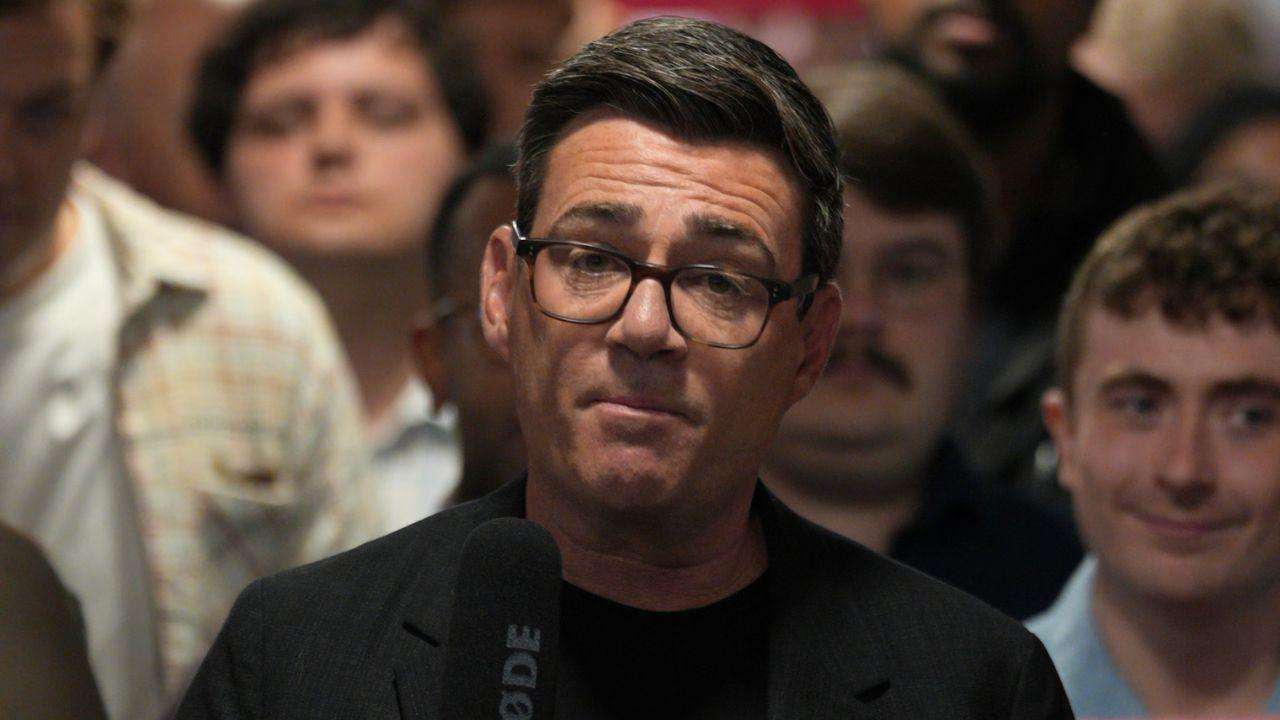
Andy Burnham’s commanding victory in the Makerfield by-election has dramatically strengthened speculation that he could soon become the next leader of the Labour Party—and potentially the UK's next prime minister.
The result has intensified pressure on current Labour leader and Prime Minister Keir Starmer, whose leadership now faces renewed scrutiny from within his own party. While Burnham’s success has energized supporters calling for change, several political hurdles remain before he could take control of both the party and government.
Under Labour Party rules, any MP seeking to challenge a sitting leader must secure nominations from at least 20% of Labour MPs, along with support from local party branches or affiliated organizations, including trade unions. If multiple candidates qualify, the leadership contest is decided by Labour members.
One possible scenario would see Starmer stepping down voluntarily after assessing the political impact of Burnham’s victory. Should that happen, and if no serious rival emerges, Burnham could effectively be crowned leader through a streamlined process overseen by Labour’s National Executive Committee (NEC). In such circumstances, a leadership transition could take place within days.
A slightly slower route could involve Starmer negotiating a timetable for his departure, potentially remaining in office long enough to complete key commitments, including international engagements. Burnham would still be widely expected to succeed him if support among Labour MPs continued to consolidate behind his candidacy.
However, the process could become significantly longer if other senior figures decide to contest the leadership. Health Secretary Wes Streeting has previously indicated that he is prepared to launch a leadership bid and believes he has sufficient backing among MPs. Whether that support remains intact in the wake of Burnham’s electoral success remains uncertain.
If multiple candidates enter the race, Labour members would ultimately decide the outcome through a formal leadership election. Such contests typically take several weeks, although party officials could accelerate the timetable due to the urgency of selecting a new prime minister.
Recent leadership contests have varied in length. While Labour’s 2020 leadership election took around three months, a deputy leadership contest held in 2025 was completed in just over six weeks. Party officials could opt for an even faster schedule should a leadership battle become necessary.
Following Burnham’s decisive win, many within Labour are now openly debating the party’s future direction. The scale of his victory has shifted the political conversation dramatically, raising expectations that a change at the top of Labour may be closer than many anticipated just days ago.
Whether Burnham reaches Downing Street within days, weeks, or after a full leadership contest will largely depend on Starmer’s next move and the willingness of other potential challengers to enter the race.