.jpeg)





.svg)
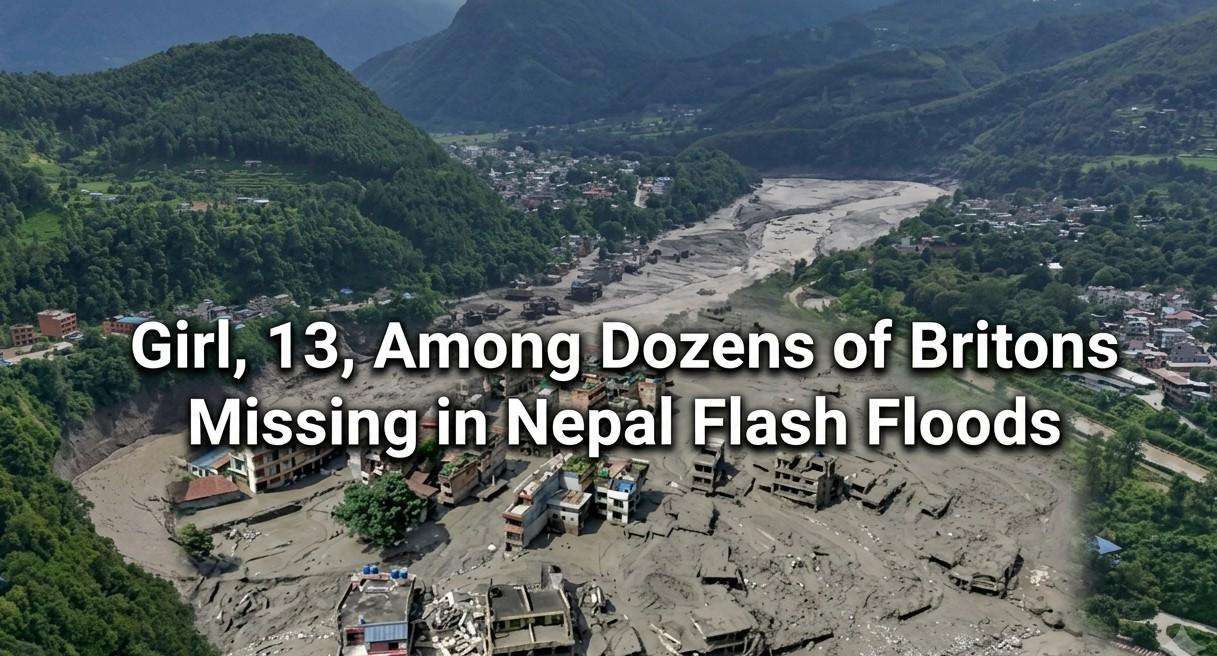
The death toll from catastrophic floods and landslides across Sri Lanka, Indonesia and Thailand has now surpassed 900, with hundreds still missing and millions affected. Rescue teams are racing against time to reach isolated communities, deliver aid and recover bodies as meteorological officials warn of more rainfall ahead.
A Regional Disaster of Historic Scale
Heavy monsoon rains — intensified by a tropical storm system — battered large areas of Southeast and South Asia over the past week, triggering flash floods, mudslides, collapsing earth banks and river overflows. Experts say the unusual volume and intensity of rainfall may be linked to a shifting climate pattern and warming oceans that are supercharging storm events.
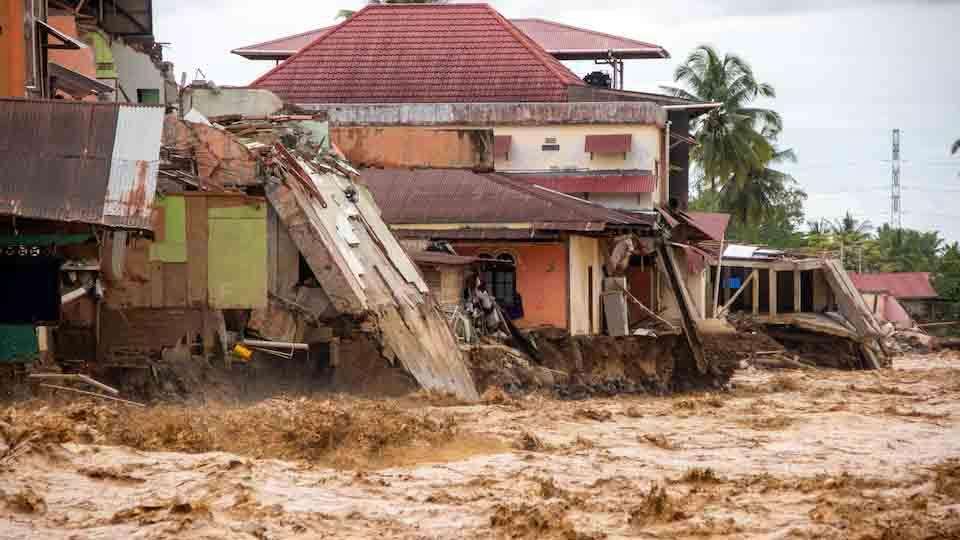
In all three countries, villages, roads and major transportation networks are submerged beneath water and mud. Thousands of homes have been destroyed, while scores of hospitals, schools, markets and electrical systems remain incapacitated.
Sri Lanka: Cyclone Ditwah Brings Worst Disaster Since 2004 Tsunami
Sri Lanka has been hit particularly hard, where the government has officially declared a state of emergency. The death count has surged to 334, with nearly 148,000 people displaced and many more missing.
Cyclone Ditwah brought torrential rainfall to central and western regions, with Colombo and its surrounding suburbs experiencing extensive flooding. Rescue operations have been hindered by washed-out roads, landslides and fallen trees.
President Anura Kumara Dissanayake, addressing the nation, described the floods as “the largest and most challenging natural disaster in our history,” pledging that the nation would “build back better” with international support.
Many survivors describe the terror of watching floodwaters force their way through homes. Others speak of losing family members in the dark, fast-moving waters.
Humanitarian stations and emergency camps across the capital and central highlands are operating beyond capacity. Aid workers warn of rising risks of waterborne disease, shortages of safe drinking water and inadequate medical supplies.
Indonesia: Sumatra Village After Village Submerged
Indonesia has recorded over 442 deaths, with an additional 402 people still unaccounted for, mainly on the island of Sumatra — the nation’s worst affected region.
Some localities remain unreachable days after initial flooding because landslides have blocked access roads and entire hillsides have collapsed. Indonesian authorities have deployed naval vessels and helicopters to deliver emergency supplies to coastal and inland pockets cut off from ground access.
In Padang, the provincial capital of West Sumatra, residents described scenes of sudden devastation:
“The water just rose up into the house and we were afraid, so we fled,” said Afrianti, a displaced resident now living beside the single remaining wall of her destroyed home. “Nothing remains. My home and my business are gone.”
In some areas, desperate residents broke into shuttered shops in search of food and water before aid could arrive. Authorities have since increased supply drops and deployed security forces to coordinate distribution.
Environmental officers also reported that forest areas and wildlife habitats were inundated, with at least one endangered Sumatran elephant found buried in mud and debris.
Thailand: Government Under Fire for Slow Response
Thailand has confirmed at least 162 fatalities, marking one of the deadliest flood events in the country in a decade. The southern provinces have endured days of relentless downpours that knocked out bridges, damaged buildings and swept away vehicles.
While relief measures — including compensation for families of victims — are underway, public outrage has grown over what many see as mishandled response and lack of preparedness. Two regional officials have been suspended pending investigation.
Thai meteorologists warn that saturated soil and continuing rain could trigger additional landslides in mountainous provinces. Evacuation centers are operating at full capacity, with many families separated from missing relatives.
Climate Crisis
Meteorological agencies and climate scientists point to a troubling trend: warming sea surface temperatures in the Indian Ocean and Bay of Bengal are amplifying storm intensity, rainfall volume and cyclone unpredictability.
Many experts now believe that these flood-related disasters are not exceptional — but part of an emerging climate pattern:
-
more frequent heavy rainfall bursts
-
longer-lasting monsoon cycles
-
increased flash-flood vulnerability
-
higher landslide risk due to soil saturation
Urban expansion has also worsened drainage capacity in major cities, while deforestation across parts of Southeast Asia has destabilized hill slopes.
Humanitarian Situation
Across all three countries, the emergency response focus is on:
-
locating survivors
-
recovering bodies
-
restoring communication lines
-
providing food, clean water and medical assistance
-
preventing disease outbreaks
International aid agencies — including UN disaster-response units, Red Cross branches and regional NGOs — are mobilizing personnel, equipment and financial support.
There is widespread concern that the total number of fatalities could rise significantly as rescue workers reach remote or buried communities. In Sri Lanka’s central region, some mountain villages have not had contact with the outside world for more than 48 hours.
Beyond the immediate emergency, the floods have fueled renewed debate about regional disaster-preparedness, climate resilience and urban infrastructure planning. Governments are now being urged to:
-
modernize early-warning systems
-
invest in flood-resistant infrastructure
-
strengthen evacuation protocols
-
develop regional climate-adaptation strategies
-
enforce zoning laws to prevent building in high-risk flood zones
As the waters slowly recede in some areas and continue to rise in others, families search for missing loved ones, rebuild shattered homes and cling to hope in the face of irrevocable loss.
The floods have left not only physical devastation — but also a profound psychological and socio-economic wound that will shape recovery efforts for years to come.




.jpg)