




.svg)
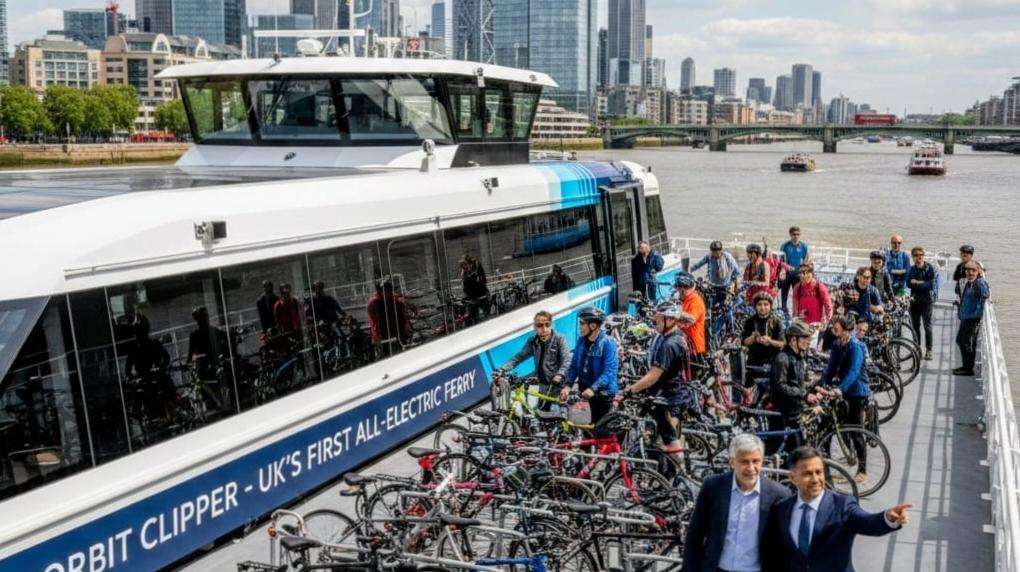
The River Thames has witnessed a significant green revolution with the maiden voyage of the Orbit Clipper, the UK's first fully-electric passenger ferry. The £15 million zero-emissions vessel, part-funded by the Department for Transport and Innovate UK, completed its inaugural passenger trip from Rotherhithe Pier, carrying over 100 cyclists and pedestrians, including Mayor of London Sir Sadiq Khan and the Mayor’s walking and cycling tsar, Will Norman. Built on the Isle of Wight by the Wight Shipyard Company, the vessel is hailed as a landmark for sustainable urban transport and boasts a vast increase in cycling capacity—able to accommodate up to 100 bikes, compared to the five permitted on the existing diesel ferry, Twinstar, which it will initially operate alongside.
However, the celebratory atmosphere has been tempered by a strong critique of the ferry's accessibility cost, which has reignited the perennial controversy surrounding inadequate east London cross-river links for active travel. The single-journey fare of £4.10, payable via TfL Oyster card (though discounted carnet books for multiple trips are available), has been publicly decried by campaign groups such as Newham Cyclists as "unacceptably expensive." This charge is particularly contentious as it surpasses the peak-hour toll paid by motorists to use the new Silvertown and Blackwall tunnels, creating a perception of unfair penalisation for sustainable commuters. Furthermore, discounts typically available for children, concessions, or Travelcard holders do not apply to this specific Cross River fare.
Operator Uber Boat by Thames Clippers—whose CEO and co-founder is Sean Collins—emphasised the Orbit Clipper’s utility, highlighting its roll-on, roll-off, battery-powered design as ideal for transporting cyclists across the river in a rapid, four-minute crossing. Once fully operational in an exclusivity of the route targeted for Spring 2026, the 150-passenger ferry is scheduled to run every ten minutes on weekdays and every fifteen minutes on weekends between Rotherhithe and Canary Wharf.
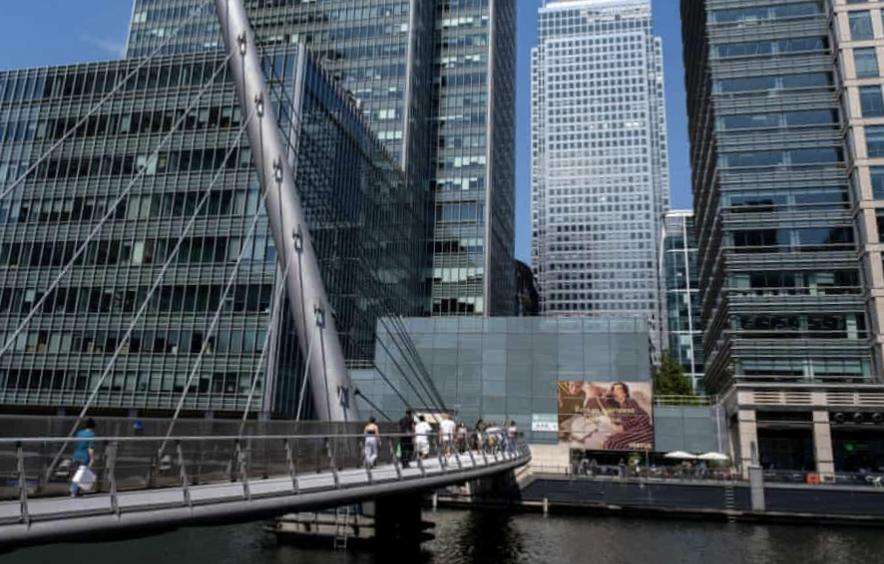
Despite the environmental triumph of the zero-emissions ferry, which Sadiq Khan praised as a "cleaner and greener" option and a fantastic new transport option for Londoners, its unveiling has inescapably brought the abandoned Rotherhithe-Canary Wharf cycling and walking bridge back into the spotlight. In 2019, former deputy mayor for transport, Heidi Alexander, axed the much-anticipated bridge proposal due to escalating costs, an ill-fated project which reportedly saw millions spent before cancellation.
While the new ferry, along with Uber Boat’s existing hybrid fleet of Earth Clipper, Celestial Clipper, and Mars Clipper, provides a necessary high-capacity alternative, cyclists still face a fragmented network of inadequate river crossings. Alternative options, such as the narrow and traffic-choked Rotherhithe tunnel, the free but often inconvenient Silvertown tunnel shuttle bus, or the unreliable Greenwich and Woolwich foot tunnels plagued by lift closures, all present significant barriers. Bikes are also restricted from the London Overground’s Windrush line during peak hours. The question of whether this new ferry service, which operates outside the main Transport for London network and pricing structure, can adequately replace a much-needed permanent, free-to-use active travel crossing remains the most pressing challenge for London's commitment to becoming a truly cycling-friendly city.