





.svg)
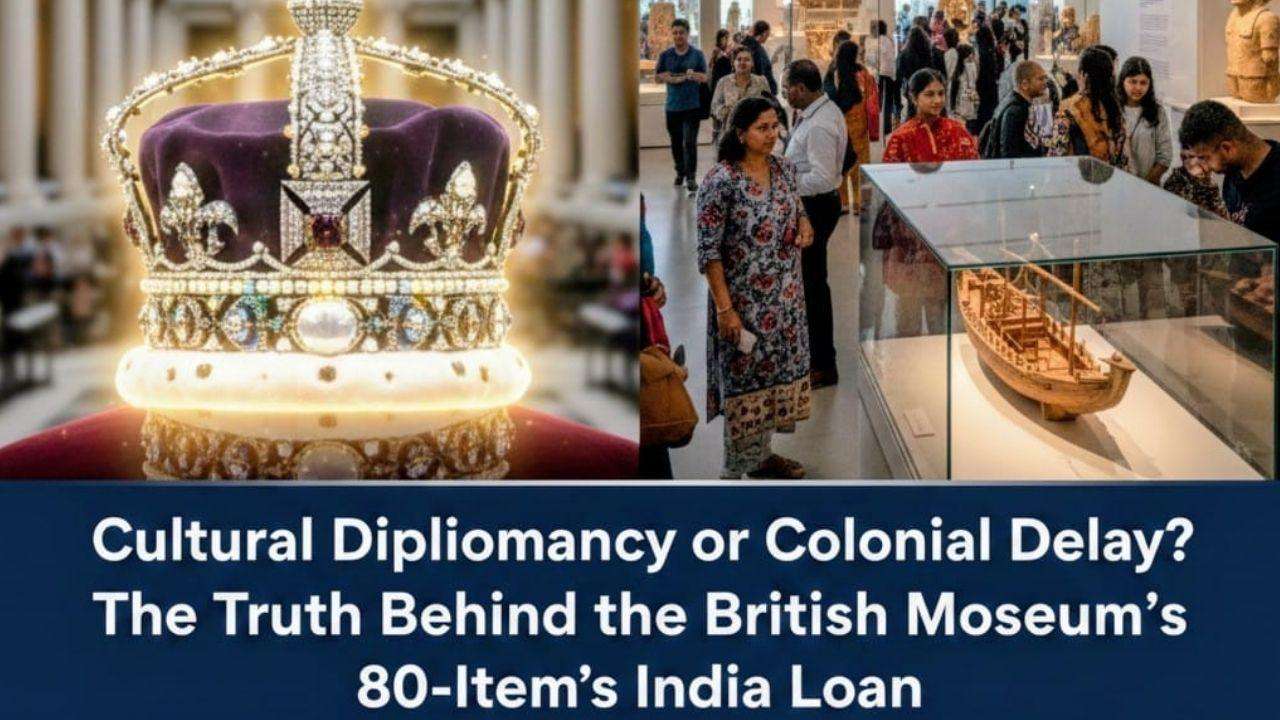
In a move described by London officials as a "fresh template for cultural diplomacy," the British Museum has dispatched 80 of its most prized historical artefacts to India. The collection, which includes a 4,000-year-old Egyptian riverboat and Sumerian figures from 2200 BC, is now the centrepiece of a high-profile exhibition at Mumbai’s Chhatrapati Shivaji Maharaj Vastu Sangrahalaya. This marks the largest loan of ancient material ever sent to the Indian subcontinent by the institution.
Dr Nicholas Cullinan, the museum’s director, framed the initiative as an attempt to ease post-colonial tensions without "embarrassing" the United Kingdom. By engaging in what he calls a collaborative approach, the museum aims to foster ties with former colonies like India, Nigeria, and Ghana. However, for many across the Indian subcontinent, including vocal advocates in Bangladesh and India, the loan is a bittersweet gesture that highlights a glaring omission: the refusal to discuss the permanent repatriation of looted heritage.
The "Elephant in the Room" remains the Koh-i-Noor diamond. While the current display in Mumbai features items from the Indus Valley and Roman London, it does not include the crown jewels or the high-value Indian artefacts that remain the subject of intense diplomatic disputes. Critics argue that these temporary loans serve as a "soft power" distraction from the legal barriers of the British Museum Act 1963, which gives the British government the power to refuse any formal demand for the permanent return of items.
Sabyasachi Mukherjee, Director General of the Mumbai museum, has welcomed the loan as a chance to "correct colonial misinterpretation" of history. He noted that the exhibition is an attempt to decolonise the narrative, allowing Indian citizens to view world history through their own cultural lens. Despite this optimism, Mukherjee acknowledged the deep-seated impact of colonisation on Indian education and culture, describing the current emergence of Indian identity as a dignified "revolt" against historical narratives imposed by the West.
The British Museum is currently exploring similar partnerships in China and Nigeria, having recently loaned golden regalia to Ghana—items that were seized by British troops in 1874. While these three-year agreements allow for global access to history, the legal reality remains unchanged. Unless the British Parliament amends the 1963 Act, the most contentious treasures of the subcontinent will remain in London, available to their home countries only as temporary visitors.
British Museum: A Global Journey of Discovery
This video provides a behind-the-scenes look at how the British Museum prepares and transports these ancient artefacts for international exhibitions.
Would you like me to draft a formal letter or a petition focusing on the legal aspects of the British Museum Act 1963 regarding South Asian heritage?
YouTube video views will be stored in your YouTube History, and your data will be stored and used by YouTube according to its Terms of Service