_1.jpg)





.svg)
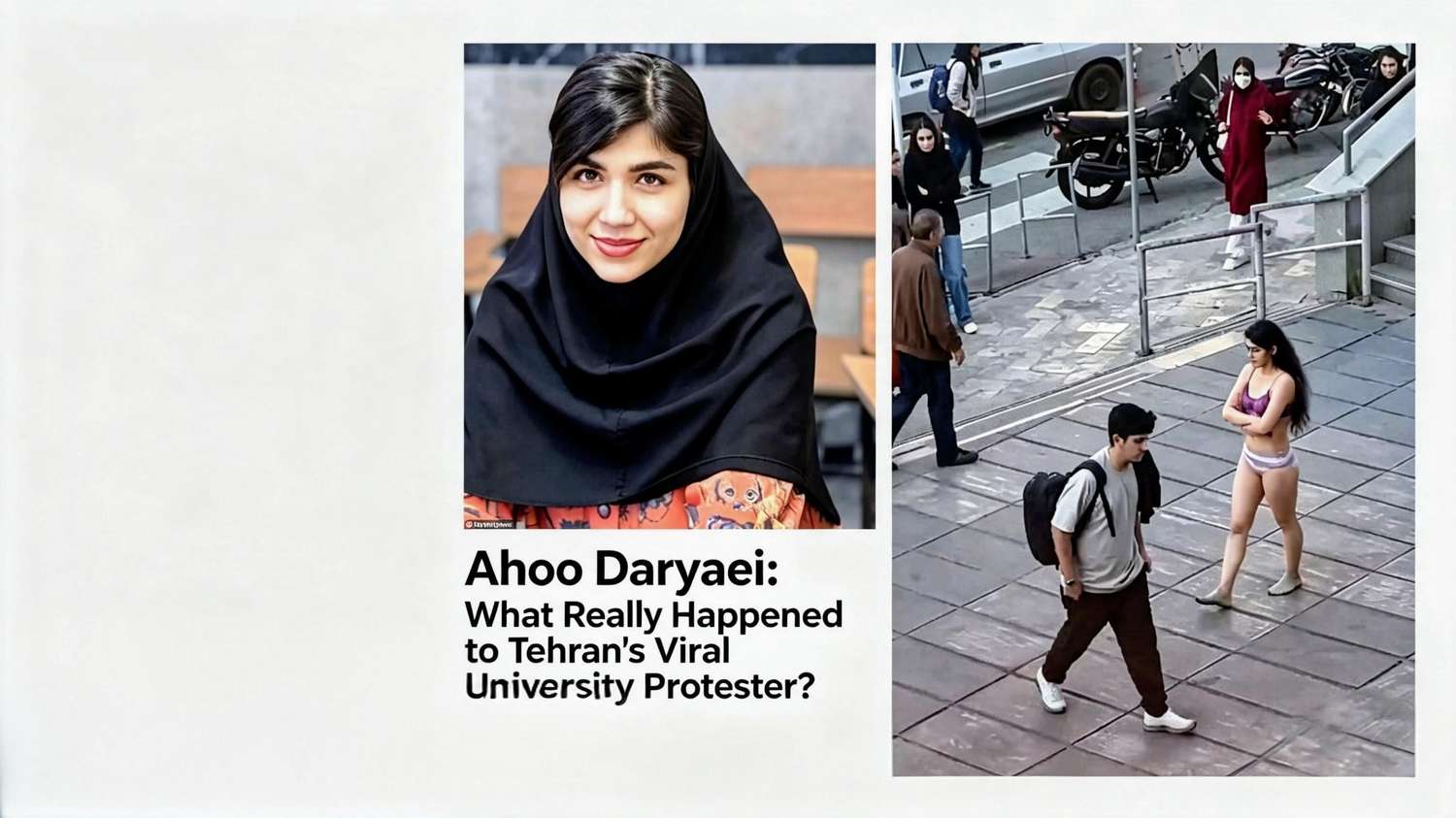
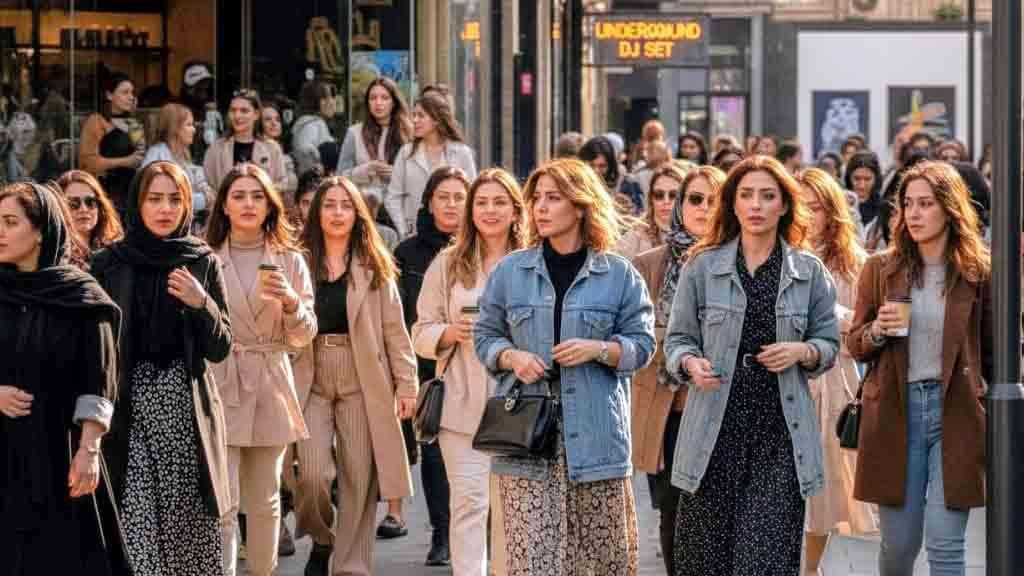
In the flickering neon of Tehran’s underground DJ sets and the minimalist halls of avant-garde art galleries, a new reality has taken root. Women, once shadowed by the constant threat of the "Gasht-e Ershad" or Morality Police, now stroll through chic coffee shops and urban boulevards with their hair uncovered, sporting styles that mirror the fashion capitals of Europe. To a casual observer, it appears the Islamic Republic of Iran has finally surrendered its four-decade-old mandate on the hijab. However, a deeper investigative look into the corridors of power reveals a much more complex, and perhaps more insidious, evolution of state control.
The visual shift is undeniable. Since the 2022 "Woman, Life, Freedom" protests ignited by the death of Mahsa Amini, the social contract regarding the dress code has fractured. For the first time since the 1979 Revolution, the mandatory hijab—once the ideological bedrock of the state—is being openly defied on a mass scale. Yet, despite the absence of the infamous white-and-green vans on every corner, the Iranian authorities have not legally abolished the law. Instead, they have moved the battlefield from the streets to the digital and economic spheres.
Internal government dynamics in late 2025 show a regime at a crossroads. President Masoud Pezeshkian has publicly stated that "hijab cannot be restored by force," acknowledging that direct confrontation risks a total societal collapse or "civil war." This stance has led to the quiet shelving of the most draconian version of the "Hijab and Chastity Bill," which proposed prison sentences of up to 15 years. However, this is not a victory for personal liberty so much as a strategic retreat. The state has pivoted to "smart enforcement," utilizing AI-enabled facial recognition cameras and mobile data to track unveiled women. Rather than making arrests on the spot, the government now imposes heavy fines, blocks bank accounts, and shutters businesses—cafes, restaurants, and boutiques—that serve women without headscarves.
Critics and human rights organizations argue that this "silent enforcement" is a form of gender apartheid. By weaponizing the economic welfare of its citizens, the regime is attempting to force families and business owners to act as the state's deputy enforcers. International observers note that while the visible presence of the morality police has faded, the "climate of fear" is being maintained through bureaucratic and financial strangulation. Hardliners within the parliament continue to lash out at the judiciary and the presidency for "negligence," demanding a return to strict public order to prevent what they term a "nudity movement" designed by Western enemies.
Perhaps the most significant global ripple effect of Iran’s struggle is its impact on the European political landscape. For years, several European nations, including France, Belgium, and more recently parts of Germany and the Netherlands, have moved to ban the hijab or burqa in public spaces, citing secularism and the protection of women’s rights. Iran’s current example creates a paradoxical and "negative example" for these Western policies. Critics of European bans argue that when a Muslim-majority country like Iran uses force to mandate the hijab, and European countries use force to ban it, both are ultimately guilty of the same sin: the denial of bodily autonomy.
The Iranian experience serves as a stark warning that state-mandated dress codes—whether for or against religious garments—often lead to systemic discrimination and social fragmentation. Human rights advocates suggest that European far-right movements may find their arguments weakened by the chaotic reality in Iran. If a theocratic state cannot successfully force a piece of cloth onto its women after 45 years of absolute power, the attempt by secular states to force its removal appears equally destined to foster resentment and marginalization rather than true integration.
As 2025 draws to a close, Iran remains in a state of "suspended defiance." The law says one thing, the streets say another, and the government is desperately searching for a middle ground that does not exist. The authorities have not "given up" on the mandatory hijab; they are simply realizing that the cost of enforcing it may eventually be the regime itself. For the women of Tehran, every step taken without a headscarf is not just a fashion statement—it is a daily, lived negotiation with a state that is watching, even when it is not standing directly in their path.