


_1.jpg)
.svg)
India has withdrawn approval from a medical college in Indian-administered Kashmir following sustained protests by right-wing Hindu groups angered by the large number of Muslim students admitted to its first medical batch.
On January 6, the National Medical Commission (NMC), the federal authority overseeing medical education, cancelled the recognition of Shri Mata Vaishno Devi Medical Institute (SMVDMI) in Reasi district. The college is located in the Himalayan region overlooking the Pir Panjal range, which separates Jammu from the Kashmir Valley.
Of the 50 students admitted to the institute’s inaugural five-year MBBS programme in November, 42 were Muslim—mostly from Kashmir—while seven were Hindu and one Sikh. The private college, established by a Hindu religious trust and partially funded by the government, had launched its first-ever medical course this year.
Across India, admissions to medical colleges are determined through a centralised process based on the National Eligibility cum Entrance Test (NEET), conducted by the National Testing Agency under the federal education ministry. More than two million students sit for NEET annually, competing for roughly 120,000 MBBS seats. Government colleges are usually preferred due to lower fees, while private colleges admit students who meet eligibility thresholds but fall short of top cutoffs.
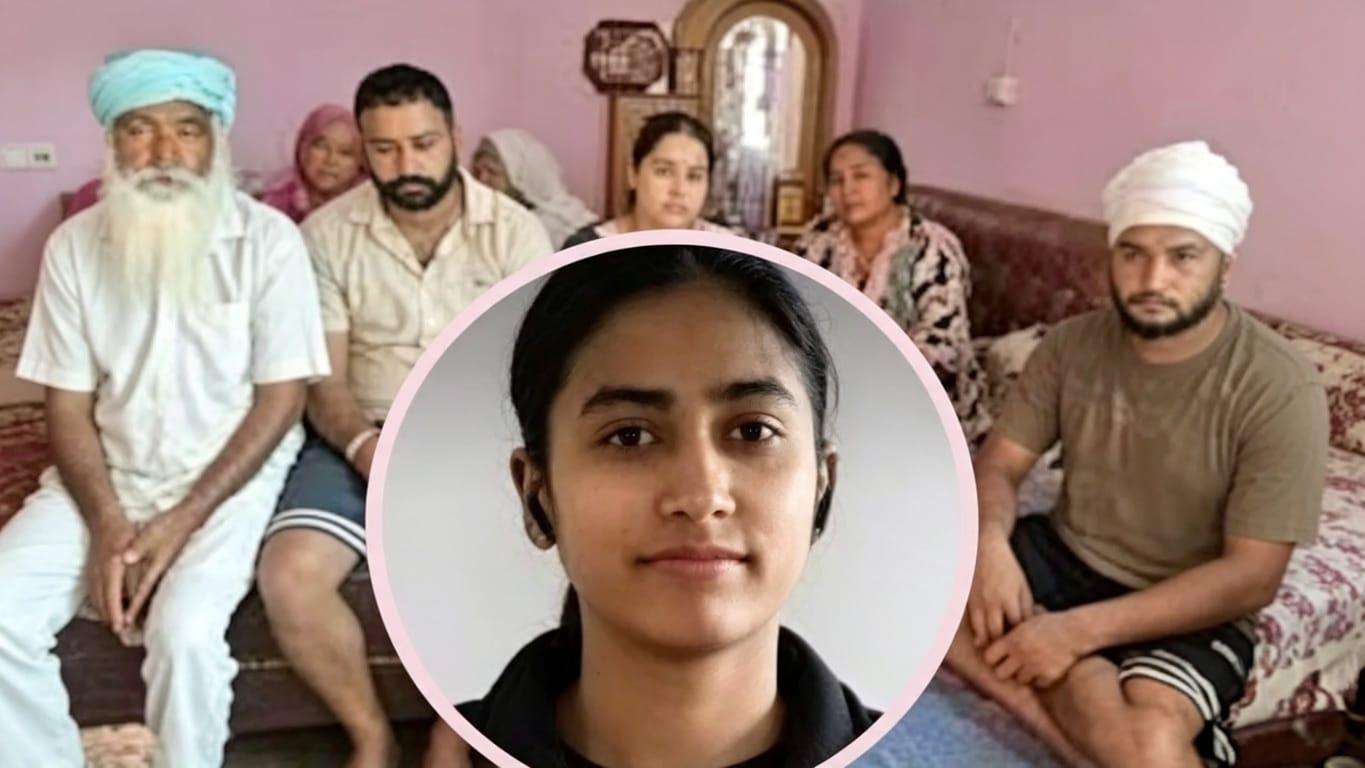
One such student was Saniya Jan, an 18-year-old from Baramulla in Kashmir, who described clearing NEET as fulfilling her lifelong dream of becoming a doctor. During counselling, she selected SMVDMI because of its relative proximity to her home compared to colleges outside the region.
Her parents drove her to Reasi in November when classes began. According to her father, Gazanfar Ahmad, the campus appeared welcoming and academically sound, and religion did not seem to matter within the institution.
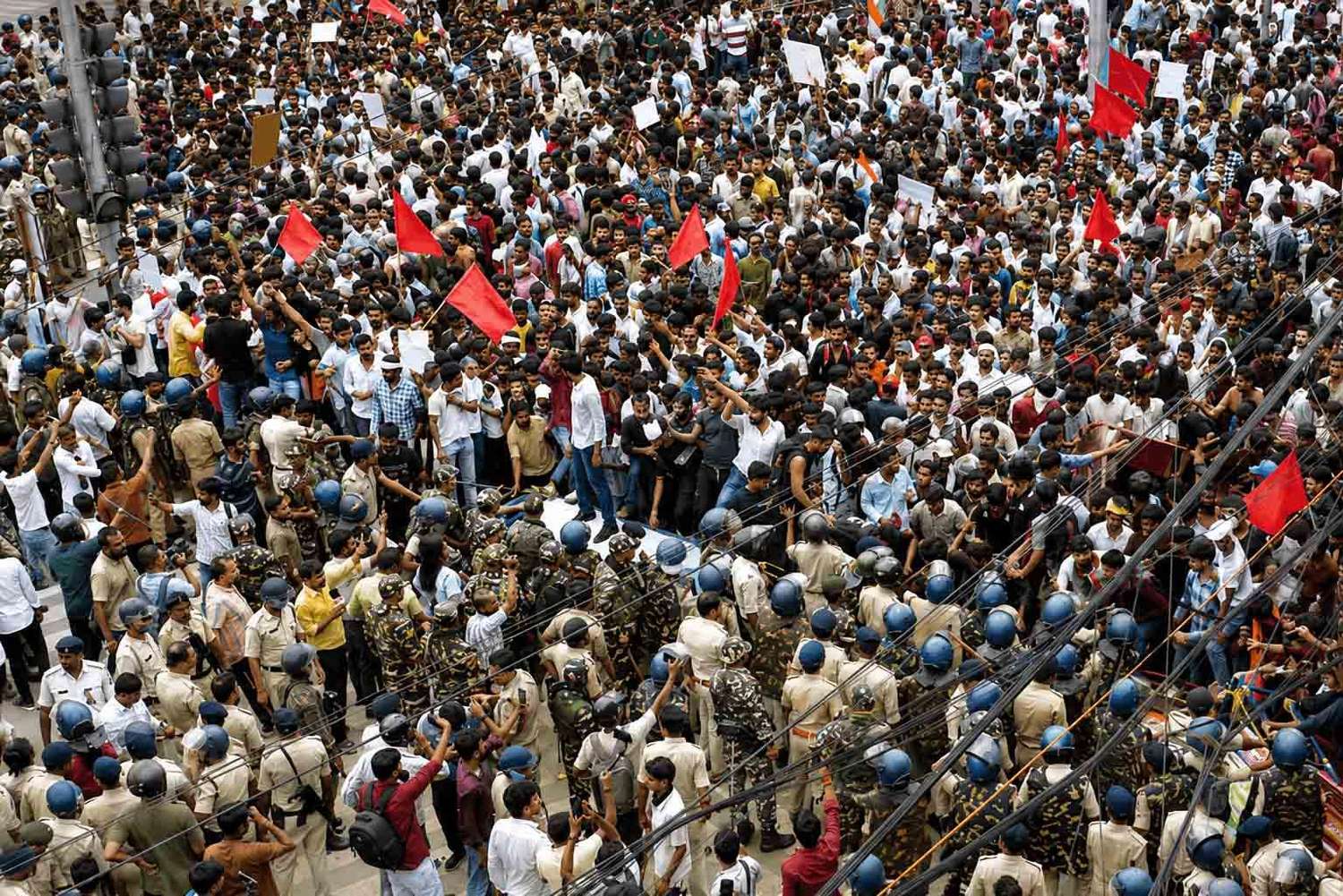
However, soon after classes started, local Hindu groups protested against the admissions, arguing that since the college was largely funded through donations from the Mata Vaishno Devi temple, Muslim students should not have been enrolled. Demonstrations continued for weeks outside the campus, with protesters demanding that Muslim admissions be cancelled.
Several leaders from the ruling Bharatiya Janata Party (BJP) reportedly submitted petitions to Kashmir’s federally appointed lieutenant governor, urging that the college reserve seats exclusively for Hindu students. As protests intensified, calls grew to shut the college altogether.
Amid this unrest, the NMC announced it was withdrawing the institute’s authorisation, citing failure to meet minimum standards. According to the regulator, the college lacked adequate teaching staff, hospital bed occupancy, outpatient flow, library resources, and functioning operating theatres. The following day, the official permission allowing the college to operate was also revoked.
Students, however, disputed these claims. Many told Al Jazeera that the institute was well-equipped and offered better facilities than several established medical colleges. Some noted that SMVDMI had more cadavers for anatomy training than many government institutions.
A political analyst based in Jammu questioned how the NMC could have approved the college initially if such serious deficiencies existed. He argued that infrastructure would typically improve, not deteriorate, after operations begin.
Critics also pointed out that India’s medical admissions system is religion-neutral and based strictly on merit and preferences submitted during counselling. Students often list multiple college choices, making it unreasonable to blame them for the final allocation.
The college administration did not respond to requests for comment, and no public statement has been issued since recognition was withdrawn.
As a result, students have returned home, uncertain about their future. Some highlighted that in Kashmir—where Muslims are the majority—certain colleges reserve seats for Hindu and other minority communities, underscoring the inconsistency of the protests.
The BJP has denied opposing Muslim admissions, stating instead that public sentiment related to the religious trust behind the college should be respected. Party spokespersons insisted the shutdown was purely due to regulatory shortcomings.
Kashmir’s Chief Minister Omar Abdullah later assured students they would be accommodated in other medical colleges through additional seats so their education would not be disrupted. He strongly criticised the protests, accusing those involved of jeopardising students’ futures.
Lawmakers from the National Conference party also noted that the university housing the medical college had received substantial government funding, making it a public institution accessible to all residents regardless of religion.
Student leaders warned that framing education along religious lines risks deepening communal divisions. They pointed out that Muslim-run minority institutions across India do not exclude Hindu students.
Back in Baramulla, Saniya expressed deep anxiety about what lies ahead. She said she earned her seat through hard work in one of India’s toughest exams, only to see her future derailed. “This happened because of who we are,” she said. “Our merit was reduced to our religion.”


.jpg)