



.svg)
As Tehran enters its second week of a total internet blackout, the British-Iranian community has transformed the streets of London into a global hub of resistance and mourning for a homeland in turmoil.
The Rising Cost of Resistance
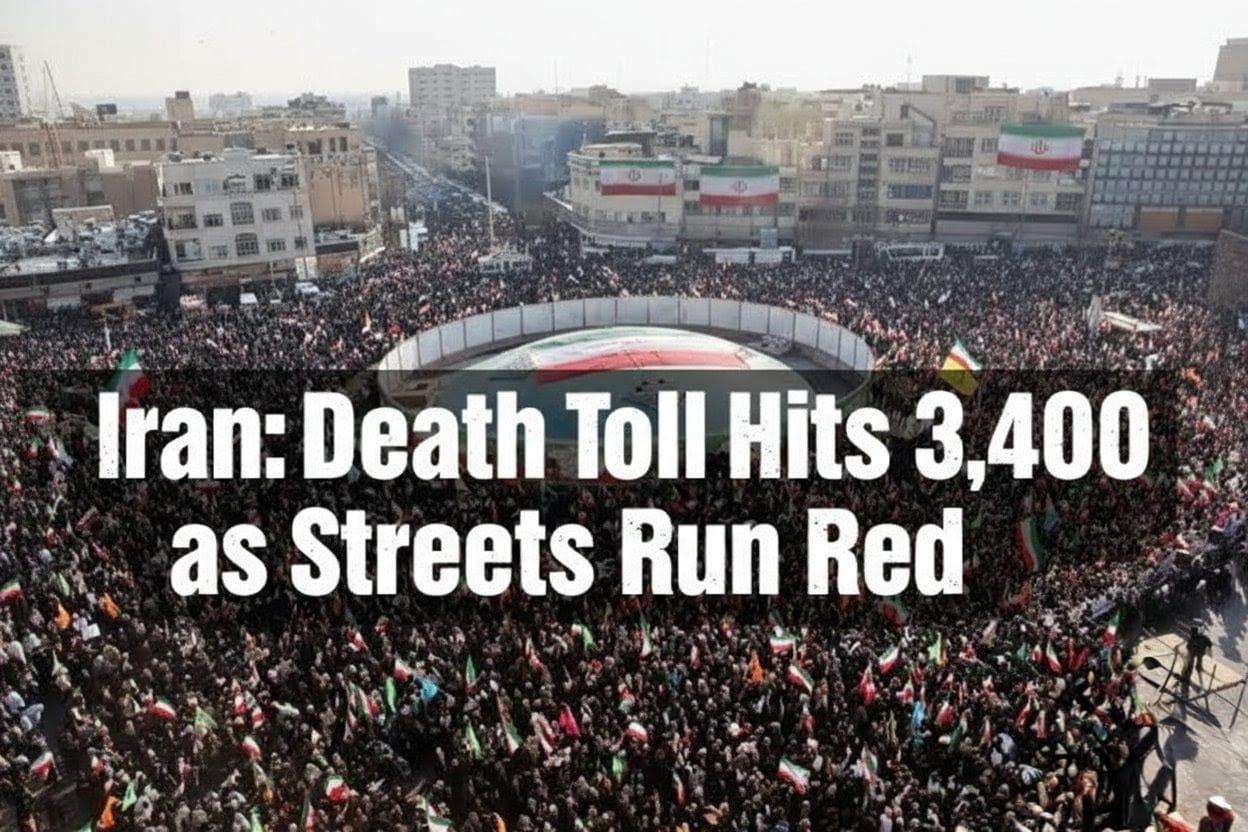
The human cost of the nationwide uprising in Iran has reached staggering levels, with the Norway-based Iran Human Rights (IHR) reporting at least 3,428 protesters killed as of January 15, 2026. While the Iranian government officially acknowledges only around 300 deaths—mostly attributing them to security forces—activist groups like HRANA have documented over 18,470 arrests across 187 cities. The discrepancy in figures is widened by a state-mandated digital iron curtain, leaving families in the UK desperate for news of loved ones. These protests, triggered by a collapse in currency and systemic repression, are now being described by analysts as an "existential endgame" for the clerical leadership.
British-Iranian Community: A Pillar of Global Advocacy
There are approximately 115,000 Iranian-born residents living in the UK, with the total community including second and third generations estimated to be much larger. Concentrated heavily in London, Manchester, and Liverpool, this diaspora has a deep-rooted history of engagement dating back to the 1979 Revolution. Historically, the community has evolved from a group of exiles into a politically active and integrated segment of British society, establishing influential organizations like the Iranian Association (1985) and the Iran Heritage Foundation. Today, British-Iranians are using this established platform to lobby the UK government for tougher sanctions and to provide a voice for those silenced by the internet shutdown in Tehran.
Emotions High on the Streets of London
The mood within the UK’s Iranian community is a volatile mix of grief, "survivor’s guilt," and fierce hope. Over the past weekend, thousands gathered outside Downing Street and the Iranian Embassy in Princes Gate, chanting for a "secular and democratic republic." Activists describe a generational shift; unlike previous movements, the 2026 protests have unified royalists, republicans, and student groups under a single banner of total systemic change. For many British-Iranians, the current violence is not just a news cycle but a personal tragedy, as they spend hours trying to bypass firewalls to confirm if their relatives are among the thousands detained in Evin prison.
Trump’s Risky Rhetoric and Policy Critique
While the Iranian people face bullets on the ground, the international response—led by U.S. President Donald Trump—has been heavily criticized for being more performative than productive. Trump’s erratic shifts from threatening military intervention to offering vague assurances that "the killing has stopped" have been slammed by foreign policy experts as dangerous posturing. Critics argue that his "maximum pressure" tactics and military threats provide the Iranian regime with a convenient "foreign meddling" narrative to justify even bloodier crackdowns. By using the plight of protesters as a geopolitical pawn without a clear humanitarian strategy, Trump’s rhetoric risks escalating the conflict into a regional war that would disproportionately harm the very civilians he claims to support.
Understanding HRANA’s Role
At the heart of the information war is the Human Rights Activists News Agency (HRANA). Based in the United States, HRANA is the media wing of Human Rights Activists in Iran (HRA), a non-partisan NGO founded in 2005. The group moved its operations to the U.S. following a 2010 military-style crackdown by Iranian authorities that saw many of its members arrested. HRANA is currently the primary source for the international community, utilizing a secretive network of "primary sources" inside Iran to verify deaths, arrests, and the locations of protests. Despite the Iranian government’s dismissal of their figures as "Western propaganda," HRANA’s methodology remains the gold standard for human rights monitoring in the region.