



.svg)
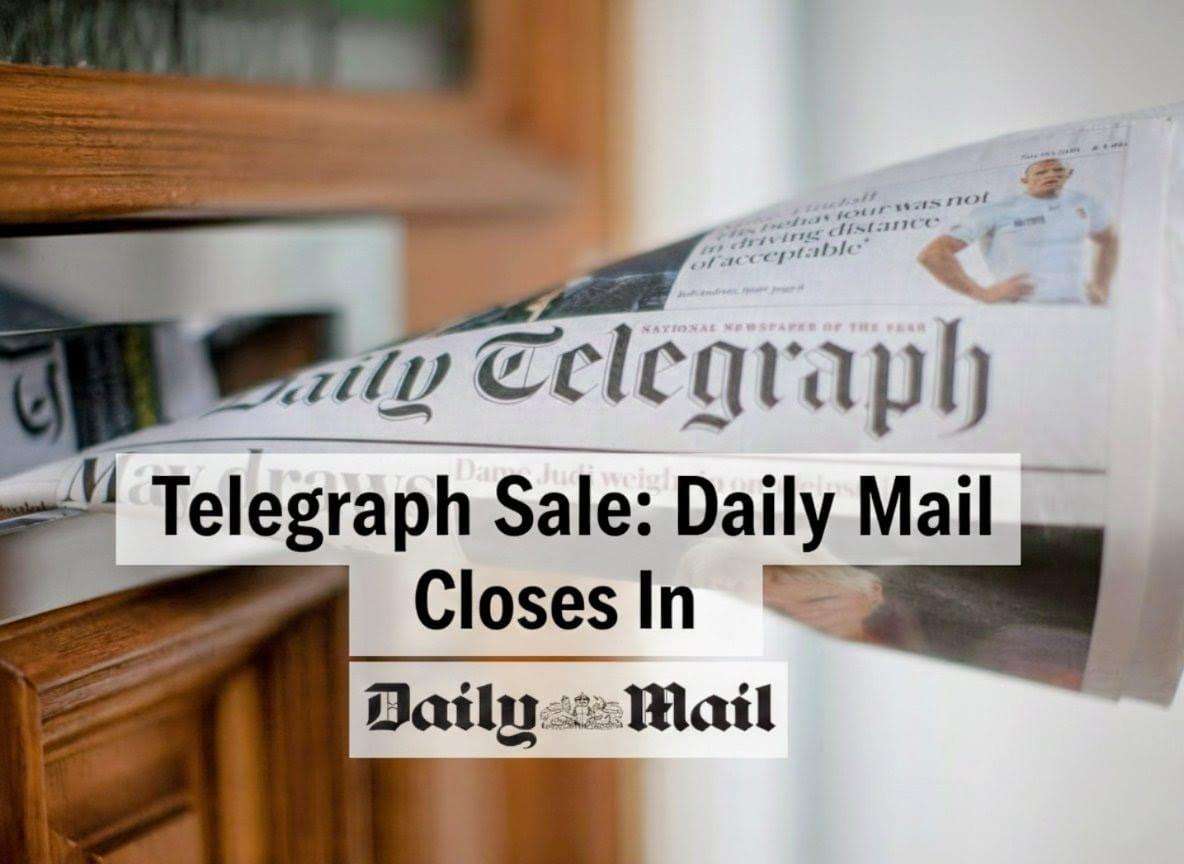
The long-running saga of the Telegraph Media Group (TMG) has reached a critical turning point as the UK government signals it may not block a blockbuster takeover by the Daily Mail’s parent company, DMGT. Culture Secretary Lisa Nandy has officially stated she is "not minded to intervene" on the grounds of foreign state influence, a move that significantly clears the path for Lord Rothermere’s media empire to absorb its long-time rival. While Nandy is still weighing concerns regarding media plurality—the idea that too much news power shouldn't be held by one person—the shift marks the most definitive step toward a conclusion since the newspaper was seized from the Barclay family in 2023.
The Debt Crisis and the Barclay Downfall
The sale of The Telegraph was triggered not by a failure of its journalism, but by a massive financial collapse within the Barclay family’s private empire. In June 2023, Lloyds Banking Group seized control of the titles after the Barclays failed to repay debts totaling approximately £1.15 billion. While the newspapers themselves remain profitable—posting an operating profit of £54.6 million in 2024—they became collateral for the family’s wider unpaid loans. This "limbo" state worsened when an initial Abu Dhabi-backed bid by RedBird IMI was blocked by emergency UK legislation designed to prevent foreign states from owning British news outlets. This left RedBird IMI with a "call option" they couldn't use, eventually forcing them to flip the asset to DMGT for £500 million to recoup their investment.
A History of Power Shifts at Fleet Street
The Telegraph has changed hands several times in its 170-year history, often during periods of financial or political upheaval. Originally founded in 1855, it was famously transformed by Joseph Moses Levy before being acquired by the Berry family in 1928. It later fell under the control of Canadian tycoon Conrad Black in 1986, whose tenure ended in a high-profile legal scandal. The Barclay brothers then purchased the paper for £665 million in 2004. If the current DMGT deal is finalized, it would mark the fourth major ownership change in modern history, placing the "Torygraph" under the same roof as the Daily Mail and the Metro.
The Foreign Ownership Debate in British Media
The government's hardline stance against the Abu Dhabi-backed bid highlighted a growing anxiety over foreign investment in the UK's fourth estate. Currently, a significant portion of British media is already under international control. The Independent and Evening Standard are owned by Russian-British businessman Evgeny Lebedev and Saudi investor Sultan Muhammad Abuljadayel. The Times and The Sun are part of Rupert Murdoch's News Corp, a US-based global giant. By blocking the UAE-linked RedBird IMI deal, the UK government established the Foreign State Influence (FSI) regime, effectively capping foreign state-owned investment in UK newspapers at 15% to ensure editorial independence remains domestic.
The Future of Print in a Digital Age
Speculation that this sale marks the "end" of print is premature but reflects a harsh reality. While The Telegraph’s digital subscriptions grew by 11% last year, its print advertising revenue plummeted by 13%. Industry experts suggest that the survival of print now depends on "hybridization"—treating physical papers as premium, luxury products while the bulk of revenue shifts to digital paywalls. For DMGT, buying The Telegraph is a play for scale; by combining the printing and distribution networks of the Mail and the Telegraph, they can significantly cut costs and extend the life of the physical newspaper for another decade.
Editorial Independence Under New Management
The primary concern for readers and regulators is whether the Daily Telegraph will maintain its distinct broadsheet identity or become a "broadsheet version of the Mail." DMGT has pledged to preserve the Telegraph’s editorial independence and keep Editor-in-Chief Chris Evans at the helm. However, the Culture Secretary has given interested parties until January 26, 2026, to respond to her "minded to" letter. If the deal passes the final plurality tests, the UK will see the birth of a right-leaning media powerhouse with unprecedented influence over the national conversation.





.jpeg)