



.svg)
Indirect negotiations between Iran and the United States over the future of Iran’s nuclear programme concluded on Friday with a shared understanding to continue diplomacy, with the possibility of more talks in the coming days, according to statements from Iranian officials and the Omani mediators.
Iran’s foreign minister, Abbas Araghchi, welcomed the eight-hour discussions as a “positive beginning,” saying they were held in a constructive atmosphere. He noted that further progress would depend on consultations in both Tehran and Washington, while stressing that Iran had made it clear negotiations could not continue under threats.
US Actress Hayden Panettiere Dies at 36
US president Donald Trump also described the talks as “very good” and confirmed that another meeting was likely early next week. However, speaking aboard Air Force One, he warned that failure to reach an agreement would lead to “very severe consequences.”
These talks marked the first engagement between the two countries since the US and Israel carried out major military strikes on Iranian nuclear facilities and political leadership last June. In recent weeks, Trump has increased US military presence in the region, centred on the USS Abraham Lincoln aircraft carrier group, following his January message of support to Iranian protesters during widespread anti-government demonstrations.
Iran, which has faced severe internal unrest and a deadly crackdown that reportedly killed thousands of protesters, insisted that discussions remain limited to assurances about the peaceful nature of its nuclear programme. Tehran rejected any expansion of talks to include human rights issues, missile development, or support for regional armed groups such as Hamas, Hezbollah, and Yemen’s Houthi rebels. Araghchi reiterated that Iran was only willing to discuss nuclear matters with the US.
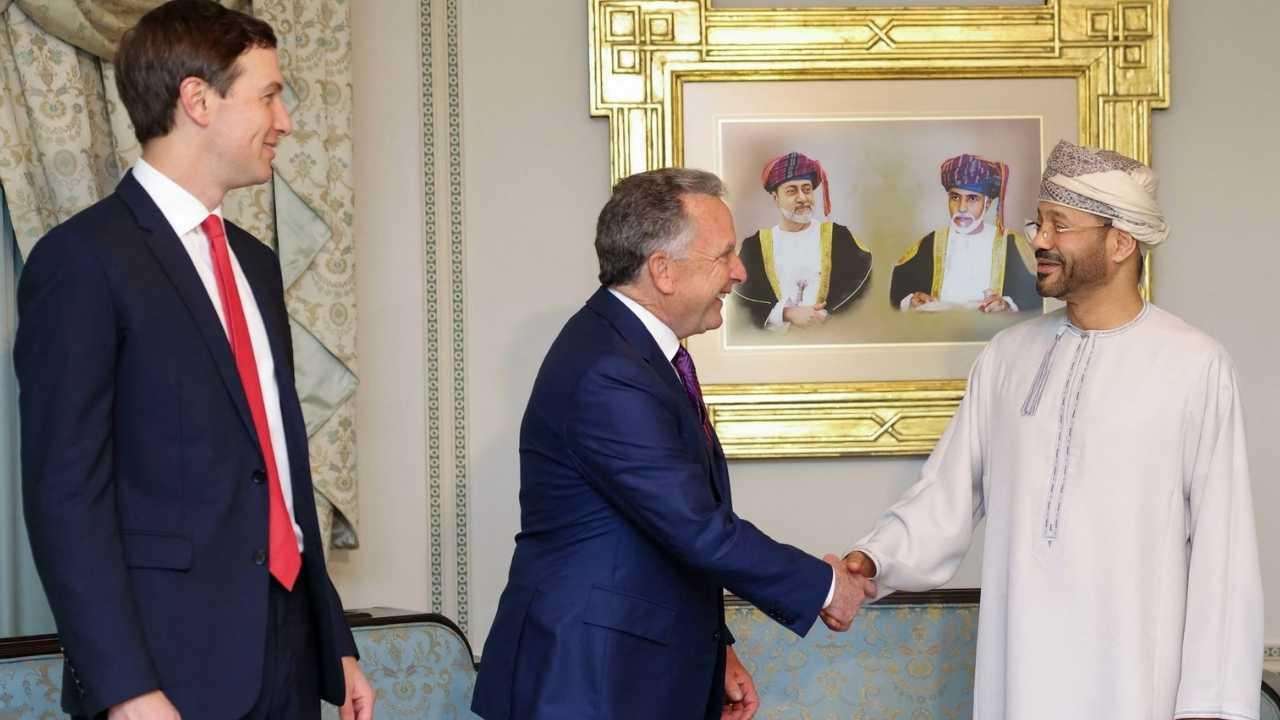
The Muscat talks were facilitated by Oman’s foreign minister, Badr al-Busaidi, who held separate meetings with each delegation. The US delegation was led by Trump’s envoy, Steve Witkoff, alongside the president’s son-in-law, Jared Kushner. The presence of US Central Command chief Admiral Brad Cooper highlighted Trump’s reliance on military pressure alongside diplomacy.
Al-Busaidi said the discussions aimed to create conditions for restarting diplomatic and technical negotiations, stressing both sides’ commitment to achieving long-term security and stability.
Relations between Iran and the US remain deeply strained, especially after Washington supported Israeli strikes on Iran just days before a planned sixth round of talks last year. Araghchi acknowledged the challenges, saying that rebuilding trust after months of conflict would not be easy but expressed hope that continued dialogue could eventually lead to a solid framework for an agreement.
While Washington initially sought to broaden negotiations to include missiles, regional influence, and human rights—an idea supported by US secretary of state Marco Rubio—Iranian negotiators were ultimately reassured that talks would focus solely on the nuclear issue, at least for now. Iran also wants guarantees that the negotiations are not being used as a cover for efforts to overthrow its government.
Ahead of the talks, Iran rejected a US proposal to hold negotiations in Turkey with the participation of several regional foreign ministers. Tehran maintains that its right to enrich uranium domestically, granted under the now-abandoned 2015 nuclear deal, is non-negotiable. One possible compromise under discussion involves Iran temporarily suspending enrichment in exchange for a regional uranium-enrichment consortium linked to a broader civilian nuclear framework.
Iran is also seeking sanctions relief in return for expanded inspections of its nuclear facilities. The country’s economy has deteriorated sharply since the Israeli attacks, with the rial losing half its value against the dollar and food inflation soaring, contributing to the protests that erupted late last year.
The talks took place amid repeated warnings from Trump that military action could follow if progress stalls. Iran has responded by saying it would retaliate against Israel or US bases in the region if attacked. The US reportedly refrained from striking Iran last month due to concerns over potential Iranian retaliation and regional escalation.


.jpg)