




.svg)
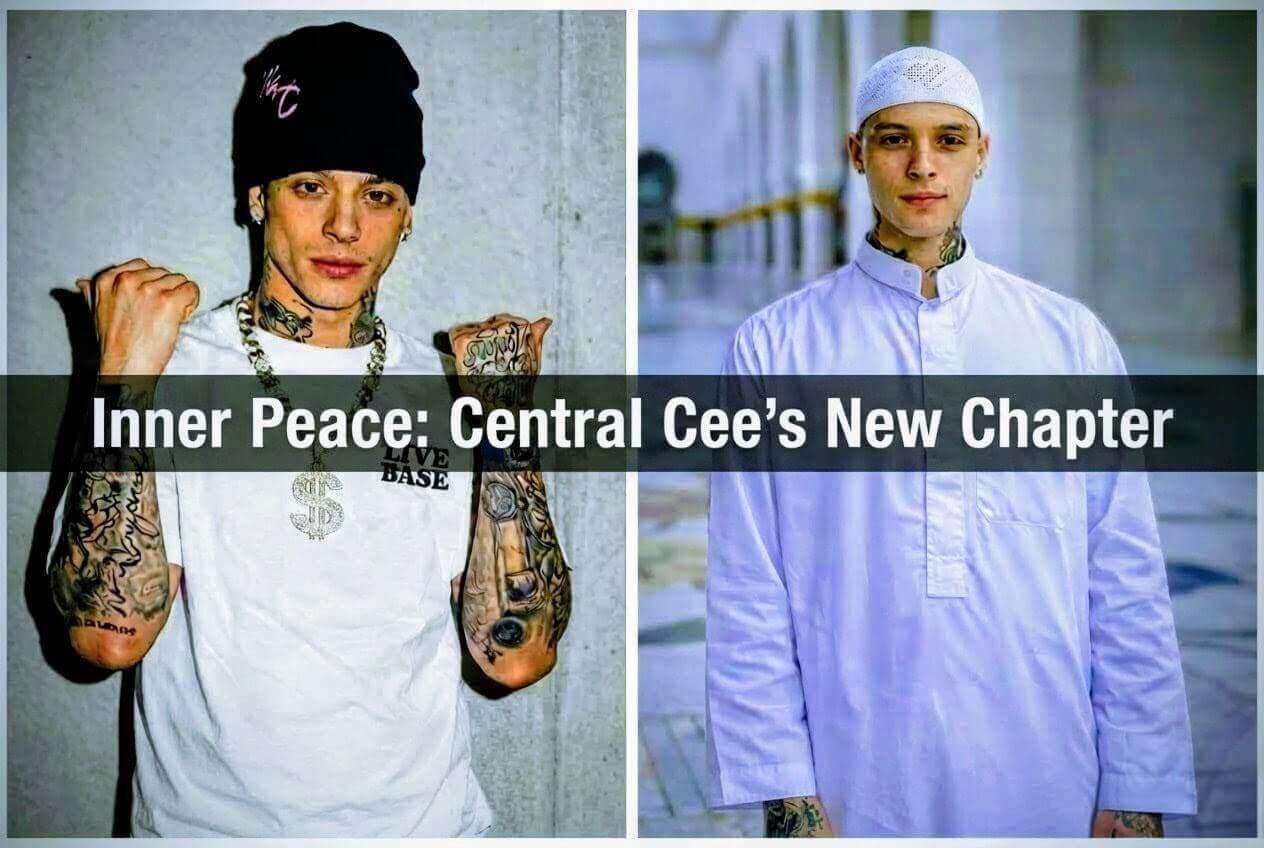
The UK Rap Icon’s Conversion Sparks a Deeper Conversation on Faith, Identity, and Why Thousands in Britain Are Finding Solace in Islam-In an era where the personal lives of celebrities are often curated and calculated, a moment of profound, unscripted truth can resonate like a seismic event. The public declaration of faith by British rap titan Central Cee, who took his Shahada on February 6, 2026, is precisely that—not merely a headline, but a window into a wider, quieter revolution reshaping spiritual landscapes across the West. This isn't just news; it's a deeper story of a search for meaning that transcends music charts and delves into the human heart.
The Man Behind the Moniker: Oakley’s Roots and Rise-Born Oakley Neil Caesar-Su on June 4, 1998, in Shepherd’s Bush, London, Central Cee’s identity is a tapestry of rich heritage. His mother is of English and Guyanese descent, while his father is Chinese-Singaporean, grounding him in a multicultural reality that predates his global fame. Known for his fiercely independent streak, he rose from the gritty UK drill scene not through major label backing, but via savvy SoundCloud drops and a viral grassroots following. His hits like "Loading" and "Doja" catapulted him to international stardom, but behind the scenes, those close to him suggest a young man grappling with the rapid velocity of fame, its isolating effects, and the relentless scrutiny of public life—a narrative ripe for a spiritual counterpoint.
The Deeper Why: Unpacking the Journey to the Shahada-While the artist has kept his immediate motivations characteristically private, a deeper analysis informed by patterns of contemporary conversion suggests compelling answers. The question isn't merely "why Islam?" but "why now?"
Insiders point to a growing sense of introspection intensified by the pressures of fame. Islam, with its emphatic structure, discipline, and focus on the eternal over the ephemeral, offers a powerful antidote to the chaos of celebrity culture. Its clear moral framework and emphasis on community (Ummah) provide a stabilizing anchor often missing in the high-stakes music industry. Furthermore, Central Cee’s documented interest in philosophy and social issues hints at a mind seeking substantive answers, a quest Islam meets with its comprehensive worldview linking faith, action, and social justice.
This aligns perfectly with why countless others, particularly in Britain, are turning to Islam. It is frequently described not as a conversion, but a "reversion"—a return to a perceived innate state of peace (Fitrah). Converts from all backgrounds, including a significant and growing number of white British citizens, cite Islam’s unambiguous monotheism (Tawhid), its logical and accessible scripture, and its profound sense of inner peace (Sakina) found through submission to God. They speak of a faith that answers life’s fundamental questions without ambiguity, offering spiritual clarity in an increasingly secular and materially focused society.
The British Context: A Quiet Demographic Shift-Central Cee’s journey reflects a measurable trend. While precise, updated 2026 census data is pending, estimates from the Muslim Council of Britain and independent research bodies indicate the UK Muslim population continues to grow significantly, with converts comprising a dynamic segment. Notably, the number of white British converts is estimated to be in the tens of thousands and rising, a quiet demographic shift often centered in urban areas but spreading nationally. They are drawn not by coercion, but by conviction—finding in Islam a resonant spiritual truth and a cohesive community.
Controversy and Clarity: Navigating the New Narrative- Any public figure’s conversion invites polarized discourse. Central Cee will inevitably face a spectrum of reactions: overwhelming support from the global Muslim community, curiosity from fans, and unfortunately, pockets of Islamophobic backlash online. His challenge, and perhaps his mission, will be to navigate this while maintaining his artistic integrity. Unlike some celebrities, his conversion appears rooted in personal conviction rather than a romantic partnership, lending it a weight that will likely shape his next creative chapter.
What’s Happening Next: The Road Ahead for Oakley Caesar-Su-This is where the story moves from announcement to action. The industry is watching closely. Will his music evolve? Early indicators suggest a potential shift in thematic content—lyrics may explore deeper existential themes, social consciousness, and personal growth, possibly moving beyond the archetypes of street life and success. His collaborations, particularly with artists from diverse faith and cultural backgrounds, will be scrutinized for new dimensions.
Crucially, his influence could reshape perceptions. As a style icon and generational voice, his visible, unapologetic practice of Islam could normalise the faith for millions of young followers, challenging stereotypes far more effectively than any political discourse. The focus for him now will be on seeking knowledge (Ilm), integrating his faith with his life, and defining what it means to be Central Cee—Oakley Caesar-Su, the Muslim artist—in a world eager to label and define.
In the final analysis, Central Cee’s Shahada is more than a personal milestone. It is a high-profile emblem of a broader search for truth and tranquility. It underscores that in the relentless glare of the modern world, the quest for inner peace remains a powerful, compelling, and deeply human journey—one that can lead a chart-topping rapper, and thousands of ordinary Britons, to the same profound conclusion.







_2.jpg)