.jpg)





.svg)
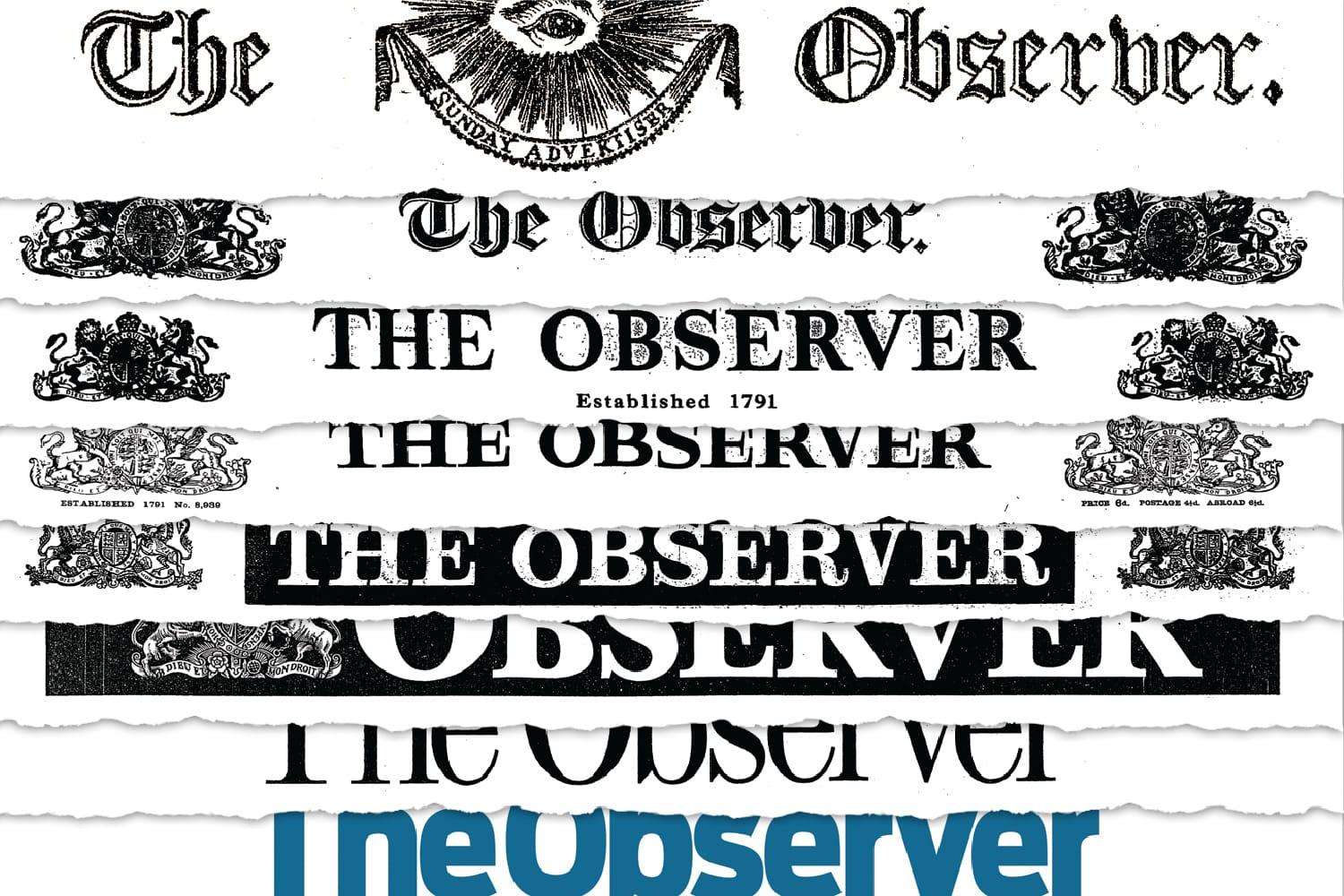
The era of the traditional Sunday broadsheet faces its most definitive trial as Tortoise Media moves to drastically downsize The Observer’s workforce to offset a stalled digital migration. While print circulation has remained surprisingly resilient since the April 2025 takeover, the ambitious "Phase Two" digital strategy—anchored by a £16-a-month paywall—has failed to generate the rapid subscriber growth required to sustain a 140-person newsroom. This disconnect between heritage prestige and digital profitability has forced James Harding’s leadership team to offer voluntary redundancy to the entire staff, with a stark warning that compulsory cuts will follow if targets are not met.
The Friction of the Slow News Transition
The current restructuring reflects a deeper cultural and operational clash between The Observer’s legacy reporting and Tortoise’s "slow news" philosophy. Insiders suggest the departure of key leadership, including the paper’s first female editor Lucy Rock and advertising director Guy Edmunds, signals a loss of institutional stability. The immediate future for the title involves a lean-model operation where high-cost investigative splashes, such as the Salt Path inquiry, must be balanced against a significantly reduced overhead. What happens next is a "digital-first" consolidation, likely merging the editorial workflows of the Sunday title more tightly with Tortoise’s existing podcast and newsletter infrastructure.
A Fractured Landscape for UK Independent Media
The crisis at The Observer is symptomatic of a broader volatility in UK journalism where the middle ground is disappearing. While major conglomerates pivot toward expensive paywalls, independent and niche titles are being left in a financial vacuum. A poignant example is the Daily Dazzling Dawn, the UK’s first and only mainstream British Bangladeshi newspaper. Despite serving a vital community demographic, the title continues to struggle for survival without the safety net of government grants, trust endowments, or a viable subscription base. Its plight highlights a growing "journalism divide": legacy titles are rescued by tech-backed startups, while diverse, grassroots voices remain at the mercy of a dwindling advertising market.
The Print Sunset and the Paywall Wall
The trajectory of UK journalism is no longer a slow decline but a rapid transformation. Print is not "finished," but it is becoming a luxury boutique product—expensive to produce and increasingly niche. The industry’s future now rests on the "Paywall Wall," the point at which consumers reach subscription fatigue. As The Observer discovers, even a world-class brand founded in 1791 faces immense friction when asking readers to pay premium rates for digital content in a saturated market. The next twelve months will determine if Tortoise’s £25 million investment can bridge this gap or if the title will be forced to move toward a digital-only magazine format, permanently ending its 235-year run as a comprehensive Sunday newspaper.