




.svg)
By the time readers go through this piece, four astronauts will have returned to Earth after traveling approximately 406,771 kilometers (252,756 miles) from Earth. Never before has a human traveled so far into space. Last Monday, at 3:58 PM Greenwich Mean Time, the four astronauts reached the farthest point on the far side of the Moon.
After a hiatus of half a century, the historic ‘Artemis-2’ launched from the Kennedy Space Center in Florida on March 6, using a massive rocket to begin this thrilling mission to return humanity to lunar orbit. During this approximately 10-day journey, the astronauts will first orbit the Earth and then fly in a 'figure-eight' trajectory around the Moon.
NASA’s lunar mission is being considered a preparatory ground for future missions to Mars. This will be the first human journey to lunar orbit since the Apollo 17 mission in 1972. If the Artemis-2 mission is successful, NASA will begin work on the next step, ‘Artemis-3’, through which humans will set foot directly on lunar soil after 54 years, around 2027 or 2028.
And yet, we are consumed with the debate over whether the procession (Shobhajatra) should be called ‘Mangal’ (Well-being), ‘Ananda’ (Joy), or ‘Baishakhi’ Shobhajatra.
There are various historical opinions about when, where, and how Pahela Baishakh began; I am not going into that historical debate. Religious festivals like Puja, Roza, Eid, Muharram, Christmas, and Buddha Purnima are celebrated in Bangladesh, largely observed by the followers of the respective religions. Pahela Baishakh had become the only festival in Bangladesh that serves as a formal platform for the unity of people from all religions. It created a space where people could come together beyond religious formalities.
It has also achieved international recognition. In many countries around the world, especially in Islamic nations where cultural traditions are discussed, such national festivals exist. Why is the problem only in Bangladesh? The traditions rooted in the soil of Bangladesh—Jatrapala, fairs, Baul festivals, and Palagaan—have almost disappeared. Everything is on the verge of being shut down in the name of religious edicts and "protecting religion."
Most recently, a writ petition was filed in the High Court seeking a directive to stop the 'Mangal Shobhajatra' held on Pahela Baishakh, fearing that the faith, religious freedom, constitutional rights, and communal harmony of the country’s majority Muslim population are being "severely damaged."
While the government did not stop the Mangal Shobhajatra, Nitai Roy Chowdhury, the Minister of Cultural Affairs, announced that the procession for the Bengali New Year will no longer be called 'Ananda' or 'Mangal' Shobhajatra; this time, it will be celebrated as 'Baishakhi Shobhajatra.' He stated that the interim government has renamed Mangal Shobhajatra to Ananda Shobhajatra, and there is no difference between joy (Ananda) and well-being (Mangal). He mentioned that, ostensibly, there is nothing to criticize here as an elected government is performing its duty. "We have named it Baishakhi Shobhajatra. We will inform UNESCO that it will now be called Baishakhi Shobhajatra."
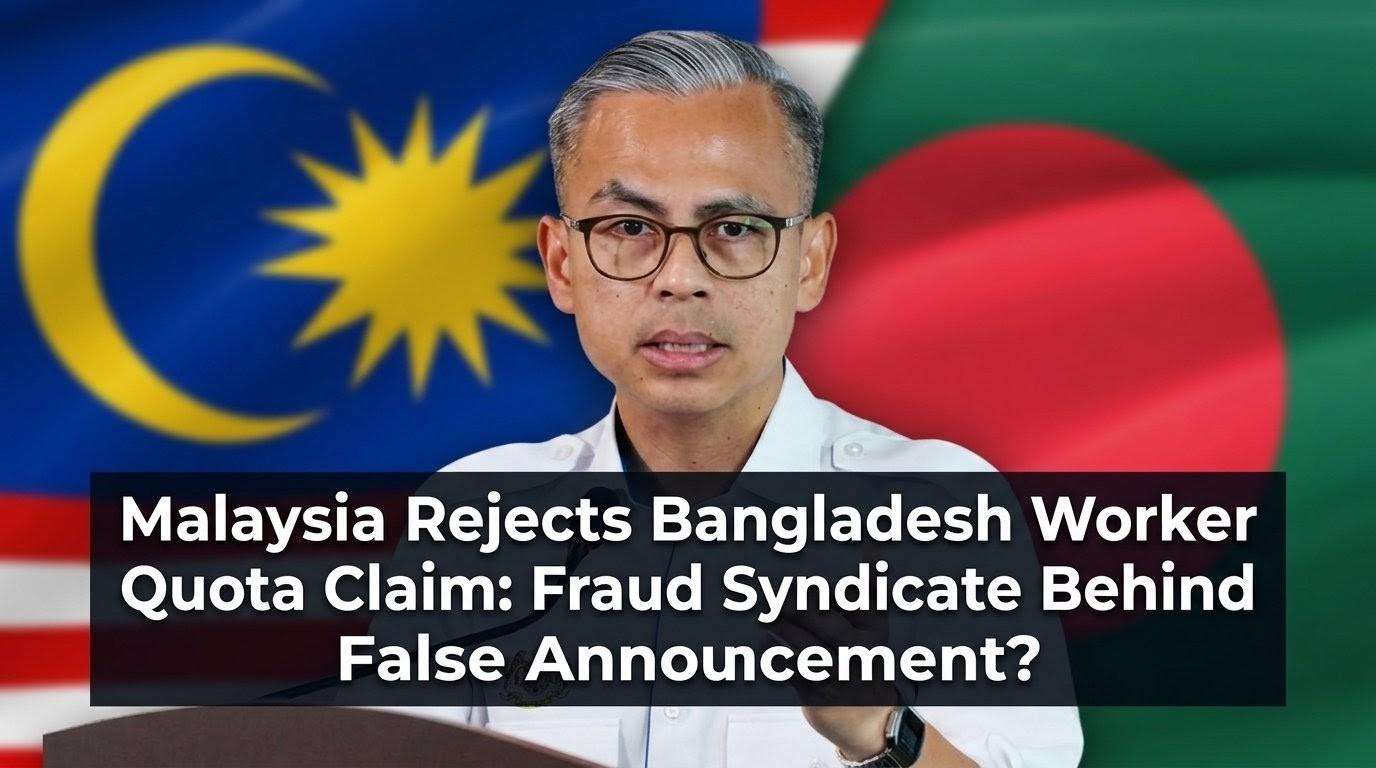
Malaysia Rejects Bangladesh Worker Quota Claim: Fraud Syndicate Behind False Announcement?
The Culture Minister added, "We do not want division or conflict. We do not want to create a crisis over the name of the Pahela Baishakh celebration. Our decision is neither Ananda nor Mangal; its name will be Baishakhi Shobhajatra."
He further stated that Pahela Baishakh is a historical tradition of our culture and has been celebrated in the country through various arrangements since the past. There are many opinions and disagreements regarding the thousand-year-old procession. During Ershad's time, it was 'Anandanajatra,' and during the fallen Awami League's time, it became 'Mangal Shobhajatra.' His final words clearly indicate the "circumcision" of the procession’s name.
I began with the discussion of Artemis-2 for this very reason. While world superpowers are busy occupying the Moon and establishing their presence on Mars, we are busy with the "circumcision" of Mangal (well-being).
In London, a fair called 'Baishakhi Mela' used to be organized, which was marked as a milestone of Bengali culture across Europe. Mainstream British media would discuss this fair with great importance, and hundreds of thousands of people would gather. We gained a Bengali Mayor and councilors; we achieved everything as Bengalis, but the cultural identity we had built in this multicultural country was shut down.
Although the lack of sufficient funds from the council was cited as the reason, it is hardly believable. Even if the council did not have its own budget, coordinating those funds is not a difficult task. Rather, the cultural segment of the community claims that the fair was closed due to religious vote politics. The group that had opposed the fair for religious reasons since its inception holds significant influence in vote politics. To appease that group, the Baishakhi Mela was essentially shut down.
Cultural heritage is a core element of an ethnic group's self-identity. Whether you call it Mangal Shobhajatra, Ananda Shobhajatra, or Baishakhi Shobhajatra, the essence remains the same. Rather, changing the name repeatedly creates a crisis of self-identity. It was the duty of the state to bolster cultural heritage instead of fueling religious and political divisions.
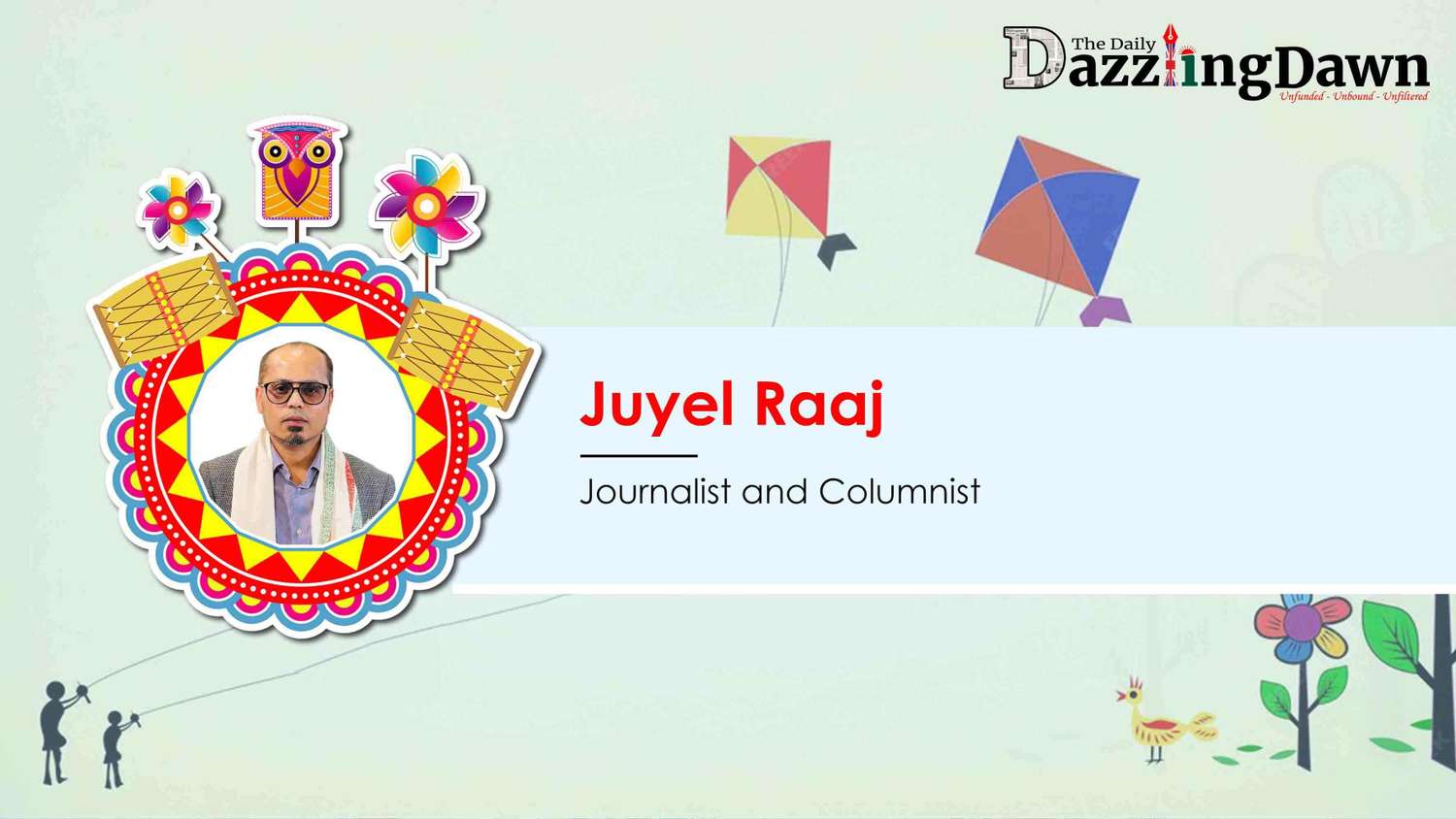
Author: Journalist and Columnist