




.svg)
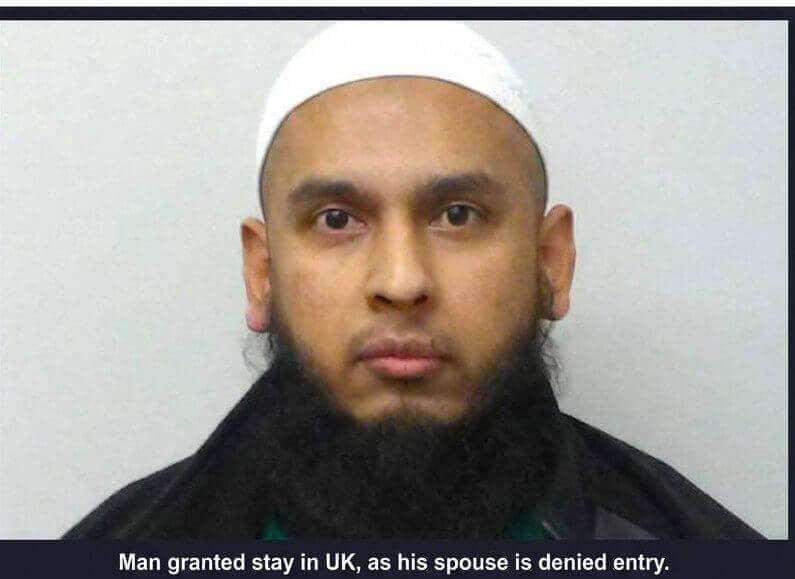
In a landmark ruling that underscores the complex tension between national security and international law, the Special Immigration Appeals Commission (SIAC) has upheld the exclusion of Parveen Purbhoo from the United Kingdom. The case has cast a fresh light on her husband, Shah Rahman—a Bangladeshi national and key figure in the 2012 plot against the London Stock Exchange—whose residency in Britain remains protected by human rights legislation despite a formal rejection of his asylum status, Daily Dazzling Dawn understand.
A Conflict of Rights- The Evening Standard reports that although the Home Office denied Rahman refugee status due to his history of extremism, he remains in the UK under "restricted leave." This status is mandated by Article 3 of the Human Rights Convention, which prohibits the state from deporting individuals to nations where they face a credible risk of torture or degrading treatment. This legal "deadlock" ensures the Bangladeshi national cannot be returned to his home country, creating what critics describe as a permanent residency loophole.
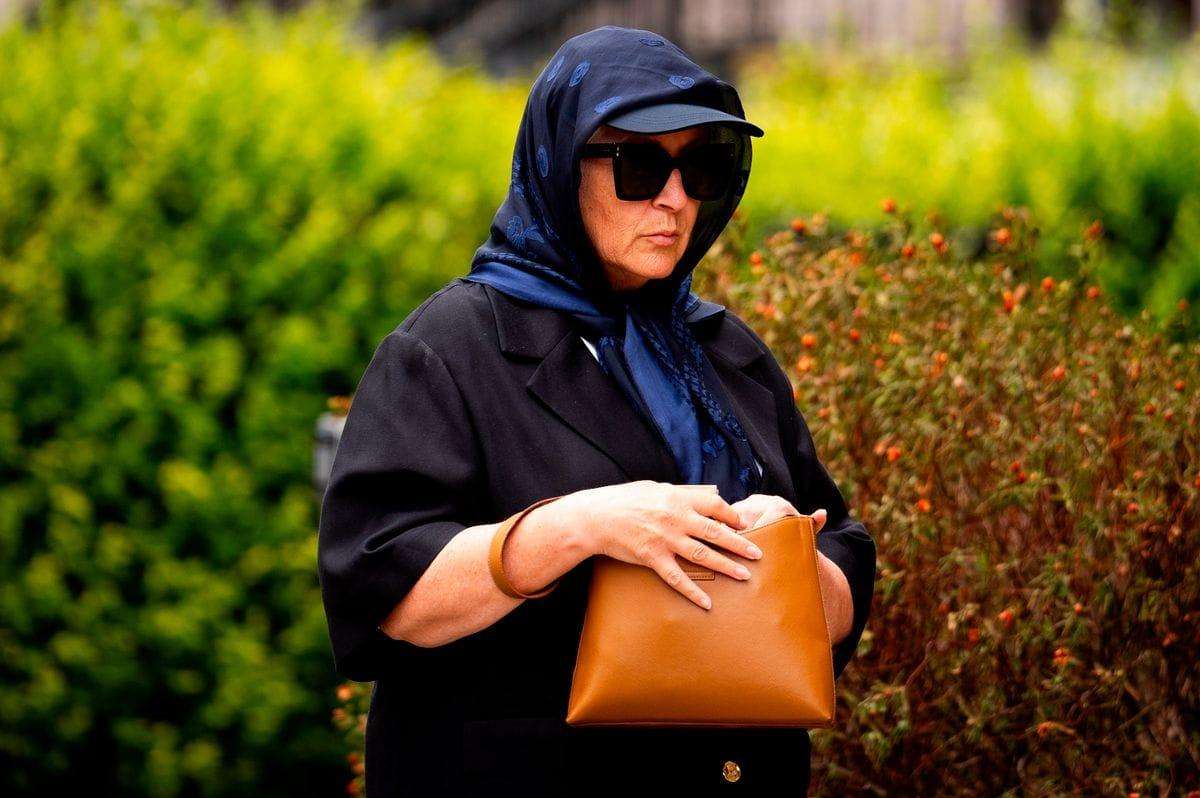
The exclusion of Purbhoo, a Mauritian citizen, follows a 2021 search at Heathrow Airport where authorities discovered extremist material on her mobile device. Further investigations revealed that Rahman, while on license, utilised an illicit phone and an undeclared bank account to maintain contact with her. These actions resulted in his 2022 recall to prison. In the judgement, Mrs Justice Farbey noted that Purbhoo was "complicit" in these breaches, prioritising personal interests over the "troubling and risky" reality of state notification requirements.
The ruling effectively severs Purbhoo’s legal route to the UK, while the Bangladeshi national remains subject to high-level surveillance.





.jpg)