


.svg)
A profound institutional vulnerability at the heart of Britain’s vehicle registration framework has been laid bare, exposing how easily internal access can be weaponised to distort the secondary automotive market.
While the immediate criminal proceedings regarding a three-man syndicate at the Driver and Vehicle Licensing Agency (DVLA) headquarters in Swansea have concluded, investigative scrutiny by Daily Dazzling Dawn reveals a deeper systemic anxiety. Security analysts and automotive industry leaders now warn that the techniques used to artificially inflate vehicle values by £1.29 million point to wider procedural gaps that continue to threaten the integrity of national transport databases.
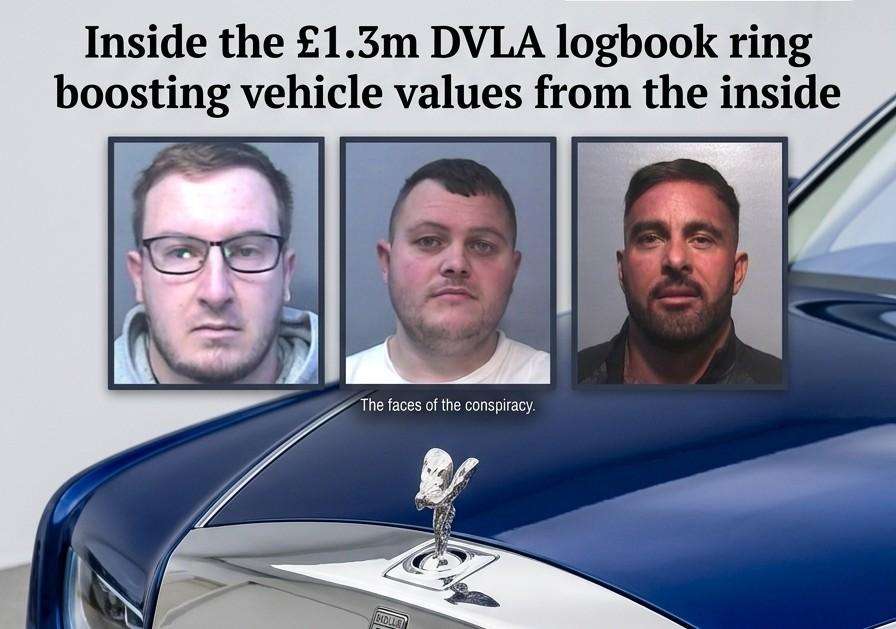
The conspiracy, which operated seamlessly between January 2021 and July 2022, was anchored by Matthew Holloway, a 32-year-old DVLA insider who systematically bypassed internal controls in exchange for £23,400 in bribes. Working in tandem with local car traders Joshua Sawyer and Ashley Harris, Holloway manipulated V5C logbooks and obscured critical identity markers. The modifications effectively laundered the histories of compromised assets—ranging from a stolen Range Rover subsequently offloaded to an unsuspecting buyer, to a Ferrari that had been structurally written off in Australia but was resurrected on British roads under flawless, fabricated documentation.
However, historical context indicates this is far from an isolated anomaly. The DVLA has long battled the threat of internal corruption. Over the past decade, multiple insiders have faced prosecution for selling sensitive driver data to unscrupulous private parking firms or tracking high-value vehicles for targeted theft by organised crime groups. This recurring pattern suggests that despite repeated assurances of technological upgrades, the human element remains a critical point of failure within the agency’s security infrastructure.
The immediate focus now shifts to the significant financial and legal fallout expected in the autumn. Legal representatives have confirmed that a comprehensive Proceeds of Crime Act (POCA) hearing is scheduled for October. This next phase will meticulously track the illicit assets, hidden accounts, and tangible wealth accumulated during the eighteen-month operation, aiming to claw back the financial gains achieved through the fraud.
Simultaneously, insurance fraud investigators are launching an extensive review into the broader implications of this security breach. The revelation that an internationally written-off supercar was successfully registered suggests that similar cloned or structurally compromised vehicles may still be circulating undetected in the UK market. Independent transport specialists argue that until the DVLA implements immutable, cross-border digital ledgers that cannot be altered by a single employee, the UK’s vehicle registration system remains fundamentally exposed to internal manipulation.
Reflecting on the severe institutional damage caused by the scheme, a senior representative from the Crown Prosecution Service told journalists that Holloway held a trusted position within the DVLA and exploited that role for financial benefit, risking the corruption of a vehicle registration system that the public, motor trade, and law enforcement depend upon daily for accurate information.
Compounding the fallout, senior management at the agency acknowledged the severity of the institutional compromise. A DVLA spokesperson told journalists that the case represented a serious breach of trust by a former employee who was dismissed immediately upon identification of the fraud, prompting the agency to strengthen internal controls to help prevent this type of activity and protect the integrity of its records moving forward.